Inside Tesla's $573M Web: How Elon Musk's Companies Trade with Each Other
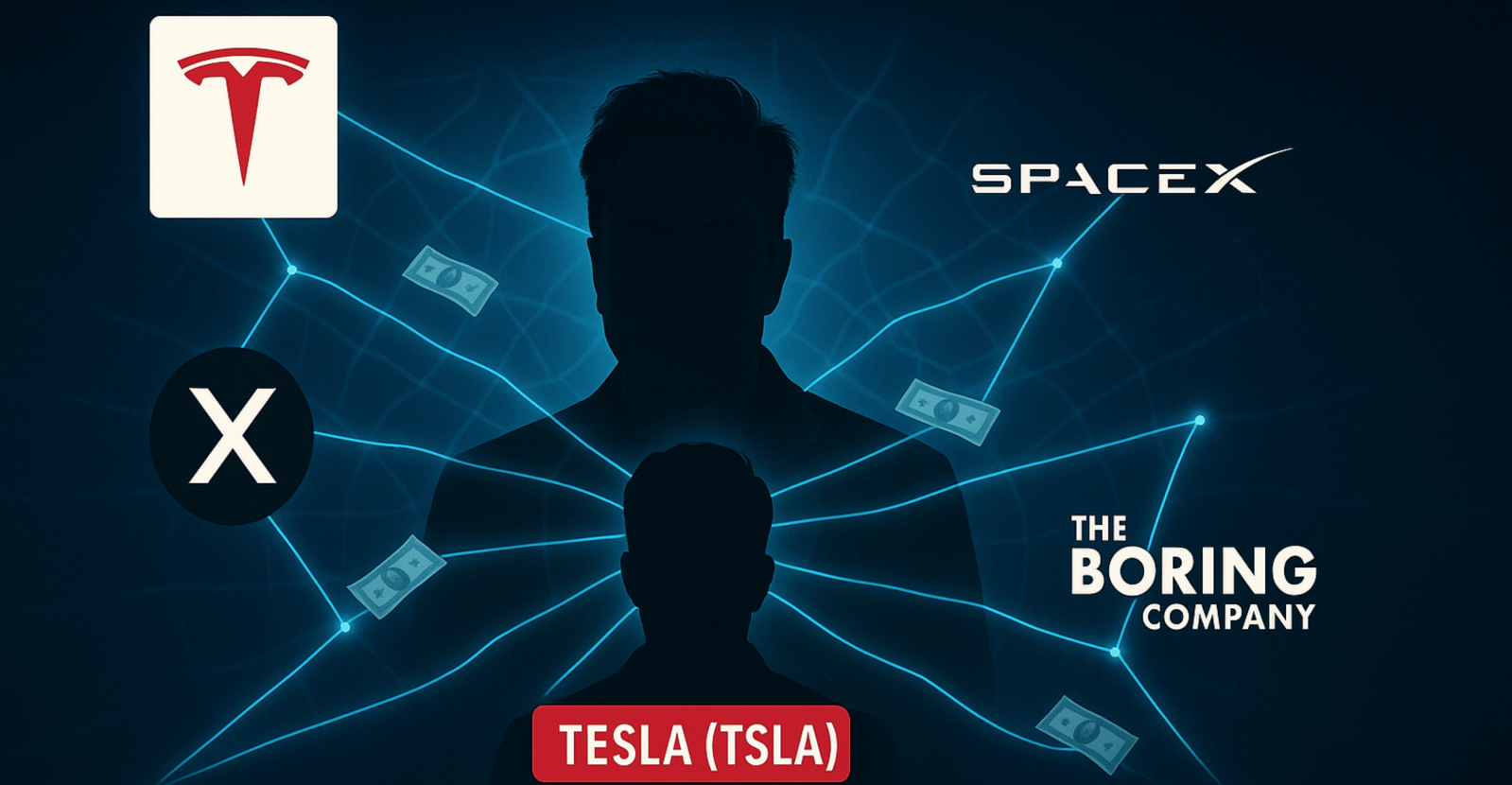
Elon Musk's corporate empire is a tightly interwoven network, and Tesla's latest filing provides a rare glimpse into the financial ties that bind them. The amended 10-K/A report reveals over half a billion dollars in transactions between Tesla and Musk's other ventures, including SpaceX, xAI, X, and The Boring Company. Here are the key questions and answers.
What is the total amount of inter-company transactions disclosed in Tesla's amended filing?
The filing covers the fiscal year 2024 and shows that Tesla recognized $573 million in revenue from two of Elon Musk's companies: SpaceX and xAI. Additionally, Tesla incurred tens of millions of dollars in expenses paid to X (formerly Twitter), The Boring Company, and even a personal security firm for Musk. This sum represents the most comprehensive accounting yet of the financial web connecting Musk's diverse businesses.
Which companies are involved in these financial dealings with Tesla?
The filing lists several Musk-controlled entities. On the revenue side, SpaceX and xAI paid Tesla $573 million for services and products. On the expense side, Tesla made payments to X (the social media platform), The Boring Company (tunnel construction), and a firm called Security Company LLC, which provides Musk's personal security. These transactions highlight how Musk leverages his CEO role at Tesla to channel business to his other ventures.
How does Tesla's revenue from SpaceX and xAI break down?
Tesla did not provide a line-item breakdown, but the $573 million is a combined figure from both SpaceX and xAI. Analysts believe the majority comes from SpaceX, which contracts Tesla for battery packs, powertrain components, and possibly software. The xAI contribution is likely smaller, possibly for server computing or data storage related to AI training. These deals help Tesla diversify its customer base and utilize its manufacturing capacity.
What kind of expenses does Tesla pay to X (formerly Twitter)?
Tesla's expenses to X include advertising and marketing services. The amounts are not specified in the 10-K/A, but earlier reports suggest Tesla spends millions annually promoting its vehicles and solar products on the platform. Additionally, Tesla may pay for data access or API usage for its in-car entertainment features. Critics question the necessity of these expenses, given Musk's ownership of X, but Tesla defends them as standard marketing costs.
What expenses does Tesla incur related to The Boring Company?
Tesla's expenses to The Boring Company are for tunnel construction and infrastructure services. Most notably, The Boring Company operates a tunnel under the Las Vegas Convention Center where Tesla vehicles shuttle visitors. Tesla supplies the vehicles and may pay a fee for the tunnel usage or maintenance. The filing does not detail exact amounts, but these expenses are considered part of Tesla's commitment to innovative transportation solutions and are likely small relative to total operating costs.
Why did Tesla file an amended 10-K/A, and what does it reveal?
Tesla filed the amended 10-K/A on April 30 to provide a more complete picture of related-party transactions. The initial 10-K filed in February had omitted or aggregated some details. The amendment includes a full list of counterparties and amounts, showing $573 million in revenue and significant expenses to Musk's companies. This was done to comply with SEC rules on disclosure of related-party transactions and to address investor questions about potential conflicts of interest.
What are the potential risks of these inter-company transactions for Tesla shareholders?
Some shareholders worry that the deals may not be at arm's length, meaning Tesla could be paying too much or receiving too little compared to market rates. For example, advertising on X might not be the most cost-effective option. Also, the concentration of Tesla's revenue from Musk-related companies raises concerns about over-reliance on the CEO's other ventures. If those companies face financial troubles, Tesla's income could suffer. However, Tesla's board has a committee to review and approve these transactions, aiming to ensure fairness.
How does Tesla justify these transactions to investors?
Tesla maintains that all transactions with Musk's companies are negotiated on terms that are as favorable as those available from unaffiliated third parties. The company highlights that SpaceX is a fast-growing customer for its battery technology, and the Boring Company projects showcase Tesla's vehicles. For advertising on X, Tesla says it reaches a broad audience of electric vehicle enthusiasts. The board's audit committee reviews each transaction, and filings like the 10-K/A provide transparency. Nonetheless, some investors remain skeptical about the degree of oversight.