Inside-Out: NASA’s STORIE Mission to Unravel the Mysteries of Earth’s Ring Current
Introduction
Deep in the space surrounding our planet, a hidden force shapes how Earth interacts with the solar wind and solar storms. This force is the ring current—an invisible, doughnut-shaped swarm of electrically charged particles trapped by Earth’s magnetic field. Despite its silent presence, the ring current plays a critical role in what scientists call space weather, which can disrupt satellites, power grids, and other technologies we rely on daily. Yet, many aspects of this current remain enigmatic. To shed light on these mysteries, NASA is preparing to launch a groundbreaking mission called STORIE (Storm Time O+ Ring current Imaging Evolution). This mission will deliver an unprecedented inside-out view of the ring current, offering fresh insights into its behavior and origins.
What Is the Ring Current?
How It Works
Earth’s magnetic field acts like a cosmic lasso, drawing in charged particles from space—primarily from the solar wind and the ionosphere—and corralling them into a torus-shaped region around the planet. This region, known as the ring current, is distinct from the more famous Van Allen radiation belts. While the radiation belts contain high-energy particles, the ring current is populated by lower-energy ions and electrons. Within this doughnut, positively charged particles (mainly oxygen and hydrogen ions) and negatively charged electrons flow in opposite directions, generating an electrical current that circles Earth. The ring current is dynamic: its size, shape, and intensity change constantly, especially during solar storms when energy from the Sun pours into the magnetosphere.
Why It Matters
The ring current is more than a natural curiosity; it directly affects human technology. When solar storms trigger rapid variations in the ring current, they induce magnetic disturbances on the ground. These fluctuations can create geomagnetically induced currents (GICs) that flow through pipelines and power lines, potentially causing corrosion or even blackouts. For satellites orbiting Earth, the ring current contributes to surface charging, which can spark glitches or damage sensitive electronics. Furthermore, changes in the ring current influence the overall response of Earth’s magnetosphere to solar activity, making it a key player in space weather forecasting. Understanding its buildup and decay is essential for mitigating risks to infrastructure both in space and on the ground.
The STORIE Mission
A Unique Perspective
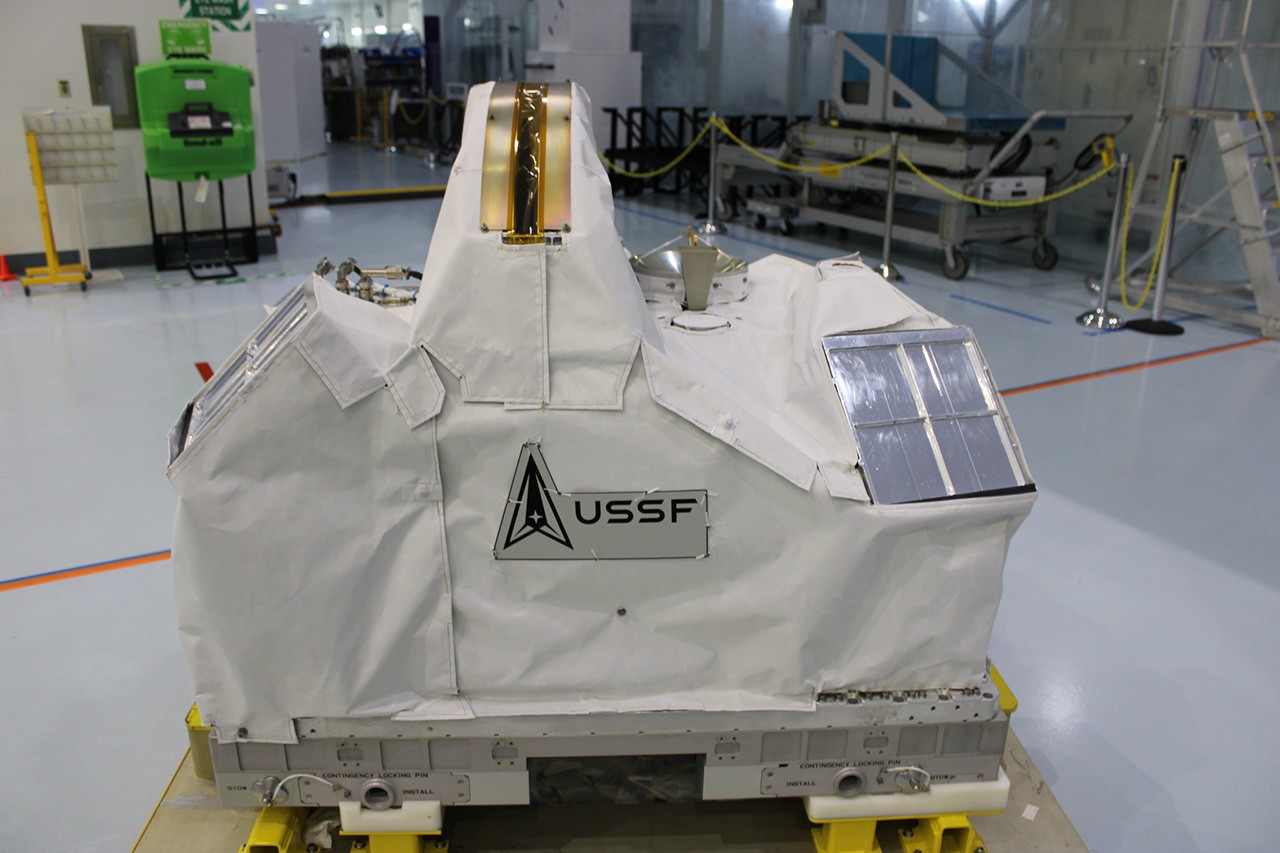
Until now, scientists have studied the ring current mainly from afar—using satellites that fly through it or by measuring its effects on magnetic fields. But STORIE will offer a revolutionary vantage point. Mounted on the exterior of the International Space Station (ISS), the instrument will look outward at the ring current, capturing global images of the charged particles in ultraviolet light. This technique allows researchers to observe the entire ring current structure simultaneously, monitoring how it grows, shrinks, and evolves over time. “These particles have important space weather impacts,” explains Alex Glocer, STORIE’s principal investigator at NASA’s Goddard Space Flight Center. “We want to understand how that trapped population is built up, and where it comes from.” By imaging the ring current from the inside out, STORIE can track the sources of the particles—whether from the solar wind or Earth’s own ionosphere—and measure how they gain energy.
Launch and Installation
STORIE is scheduled to launch in May aboard the 34th SpaceX commercial resupply services mission to the ISS. Once it arrives, astronauts will robotically install the payload on the station’s exterior, a process expected to occur within a few days. The mission is flying as part of the Space Test Program – Houston 11 (STP-H11) payload, a collaborative effort between the U.S. Space Force and NASA. This partnership underscores the dual importance of understanding space weather for both scientific discovery and national security. From its perch on the ISS, STORIE will operate for at least a year, capturing data during multiple solar storms and quiet periods.
Expected Discoveries and Impacts
With STORIE, scientists hope to answer long-standing questions: What triggers the ring current to intensify? What proportion of its particles comes from the solar wind versus Earth’s ionosphere? How do these particles become energized to create strong currents? The answers will improve models of space weather, enabling better predictions of magnetic disturbances and their effects on technology. For example, knowing when the ring current is likely to strengthen could help power grid operators take protective measures. Moreover, STORIE’s observations will complement other NASA missions, such as the Van Allen Probes (now concluded) and ongoing studies of the magnetosphere. As space weather becomes an ever more critical issue for our satellite-dependent society, missions like STORIE are essential stepping stones toward a safer and more resilient technological infrastructure.
By providing an inside-out view of Earth’s ring current, STORIE promises to transform our understanding of this invisible yet powerful force. It will reveal not only the origins and behavior of the particles that make up the ring current but also how they connect to the larger drama of space weather. As NASA prepares for launch, the scientific community eagerly awaits the new window this mission will open on the dynamic interaction between the Sun and our planet.