The Lingering Legacy of Leaded Aviation Fuel
Leaded gasoline, once a staple of the automotive world, has been largely eliminated from road vehicles due to its severe health and environmental impacts. However, a surprising holdout remains: the aviation industry. Despite decades of progress, piston-engined aircraft still burn leaded fuel, releasing toxic lead compounds into the atmosphere. This article explores why leaded fuel persists in aviation, the risks it poses, and the ongoing efforts to finally eliminate it.
Why Leaded Fuel Persists in Aviation
Unlike modern cars, many small aircraft rely on aviation gasoline (Avgas), a specialized fuel designed for high-performance piston engines. The most common grade, 100LL (low lead), contains 0.56 grams of tetraethyl lead (TEL) per liter—significantly more than the leaded automotive fuels of the past. TEL acts as an octane booster and valve lubricant, preventing engine knock and wear under sustained high loads and high altitudes.
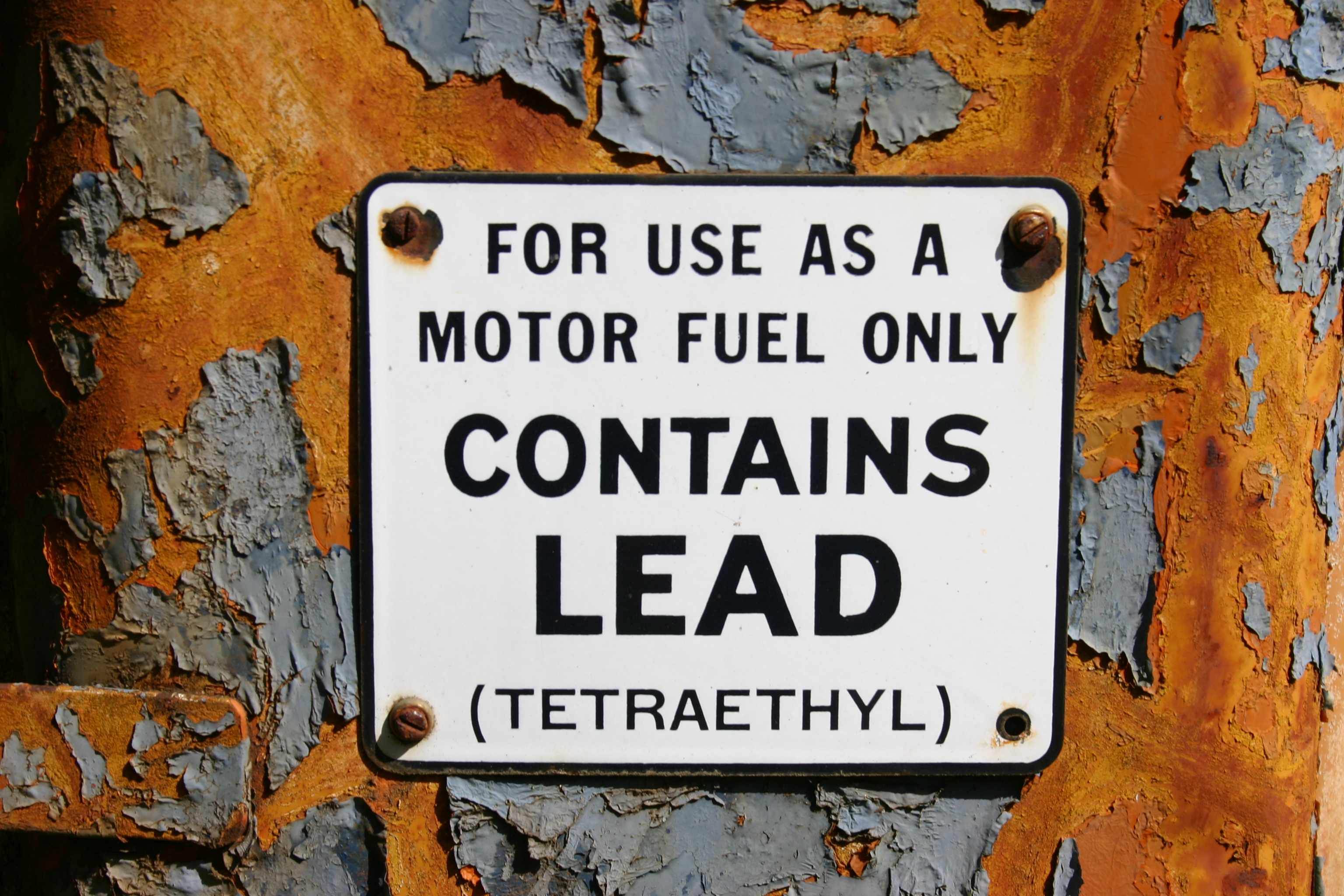
The reliance on lead stems from engine designs dating back to World War II, when knock resistance was critical for military aircraft. Even today, many aircraft engines are not certified to run on unleaded alternatives, creating a chicken-and-egg problem: without a widespread unleaded fuel supply, engine manufacturers hesitate to redesign their products.
Health and Environmental Concerns
Burning leaded Avgas releases fine lead particles into the air, which can be inhaled or settle onto soil and water. Children living near airports are particularly vulnerable, as lead exposure can cause developmental delays, reduced IQ, and other neurological damage. Studies have found elevated blood lead levels in communities adjacent to general aviation airports.
Environmental contamination is also a concern. Lead accumulates in ecosystems, harming wildlife and potentially entering the food chain. The EPA has classified lead as a probable human carcinogen and has set strict limits for air quality—yet aviation remains a significant unregulated source.
Efforts to Phase Out Leaded Avgas
In response to these dangers, the aviation industry has launched multiple initiatives to develop and certify unleaded alternatives. The Piston Aviation Fuels Initiative (PAFI), led by the FAA, has tested several candidate fuels. In 2022, the FAA approved the first unleaded Avgas, G100UL, for use in most piston aircraft. However, adoption is slow due to cost, infrastructure changes, and the need for engine modifications.
Some airports have voluntarily switched to unleaded options, and legislative pressure is increasing. For example, the U.S. Congress has set a goal to eliminate leaded Avgas by 2030. Yet, the transition faces hurdles: fuel suppliers must invest in new production facilities, and aircraft owners must ensure their engines are compatible.
Alternatives Under Development
- Swift Fuel – A high-octane unleaded fuel that meets Avgas specifications.
- Mogas (Automotive Gasoline) – Some aircraft can use ethanol-free automotive fuel with supplemental additives.
- Diesel/Jet Fuel Engines – Some newer aircraft use compression-ignition engines that burn kerosene-based fuels.
While progress is being made, the legacy of TEL means that a complete phase-out will take years. In the meantime, pilots and passengers should be aware of the risks and support efforts to accelerate change.
The Future of Aviation Fuel
The eventual elimination of leaded Avgas is inevitable, driven by health regulations, environmental concerns, and technological innovation. The key will be industry-wide collaboration to ensure safe, affordable unleaded fuels are available at every airport. As the automotive sector has shown, the end of leaded fuel is possible—it just takes time and determination.
For now, the lingering use of lead in aviation serves as a reminder that some technologies outlive their welcome. But with concerted effort, the skies can become truly lead-free.