Nvidia Halts Production of Older Jetson AI Modules Amid Global Memory Crunch
Breaking News
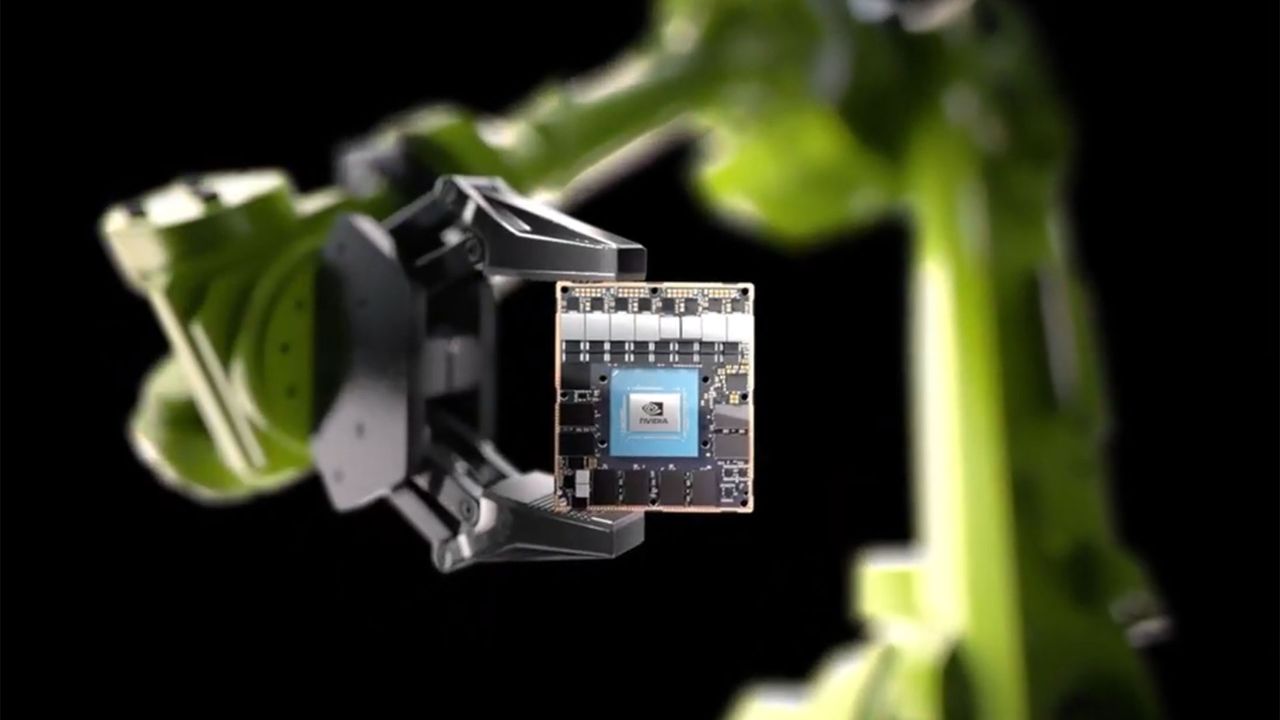
Nvidia has abruptly ended production of several older Jetson embedded AI modules, including the Jetson TX2 and Jetson AGX Xavier, due to a severe shortage of DDR4 memory chips. The move, which accelerates planned end-of-life timelines by months, has caught developers and industrial customers off guard.
'The global DDR4 memory shortage leaves us no choice but to prioritize supply for our newer Jetson Orin family,' said Sarah Klein, Nvidia's director of embedded platforms. 'We deeply regret the disruption to ongoing projects.'
The affected modules—still widely used in robotics, smart cameras, and edge AI applications—will no longer be available for new orders after April 30. Existing orders are subject to cancellation if DDR4 chips cannot be sourced.
Industry analysts warn the move could stall countless IoT deployments and force costly redesigns. 'Many companies built their entire product lines around these modules,' noted Dr. Raj Patel, an embedded systems analyst at TechInsights. 'This isn't just a product phase-out; it's a supply chain crisis that is reshaping the edge AI landscape.'
For context, read the Background section below.
Background
The DDR4 memory shortage—dubbed a 'RAMpocalypse' by industry insiders—stems from a rapid industry shift toward DDR5 and LPDDR5 manufacturing. Older DRAM fabrication lines have been repurposed, squeezing supply for DDR4 customers.
Nvidia had originally planned to phase out these Jetson models by early 2025. The company now says it cannot guarantee DDR4 delivery beyond mid-2024. Meanwhile, demand for edge AI processors remains high, with the Jetson platform being the backbone of many autonomous machines and AI appliances.
Alternatives like the Jetson Orin NX and Nano use DDR5 or LPDDR5 memory, which are more readily available but come with higher costs and different power/performance profiles. Developers face a difficult choice: either migrate to Orin or switch to rival platforms from Intel, AMD, or Rockchip that still support DDR4.
What This Means
For companies currently deploying Jetson TX2- or Xavier-based products, the discontinuation forces an accelerated migration to newer hardware. This may require re-certification, new circuit board designs, and updated software stacks—costly and time-consuming efforts.
'Our medical imaging device was built around the TX2. Now we have to redesign everything,' said Maria Chen, CTO of MedEdge Inc. 'We don't have the spare engineering bandwidth.'
Smaller startups and hobbyists will be hit hardest. The Orin modules cost significantly more and may be overkill for simple AI tasks. Some may turn to single-board computers from competitors, fragmenting Nvidia's ecosystem.
However, the long-term outlook could be positive. The Orin family offers better AI performance per watt and future-proofing. Nvidia is also providing free migration guides and discounts on Orin evaluation kits to ease the transition—but only for a limited time.
In summary, while the immediate disruption is painful, it highlights the semiconductor industry's relentless march toward newer memory technologies. Developers must adapt quickly or risk being left behind.