Quick Facts
- Category: Robotics & IoT
- Published: 2026-05-03 03:44:46
- Upgrading to Fedora Linux 44 on Silverblue: A Step-by-Step Q&A
- How the New Resident Evil Film Uses Elements from the Most Controversial Game in the Series
- Navigating Launchpad's Revamped Series Page: A Developer's Tutorial
- How to Implement Managed Daemons for Amazon ECS Managed Instances
- Framework Unveils Wireless TouchPad Keyboard Aimed at Living Room Computing
Breaking: HACS Emerges as Indispensable Tool for Home Assistant
The Home Assistant Community Store (HACS) is being declared an essential component for anyone serious about smart home automation, as new reports highlight how the plug-in dramatically expands the capabilities of the already powerful Home Assistant platform. Without HACS, experts say users are leaving significant potential untapped.
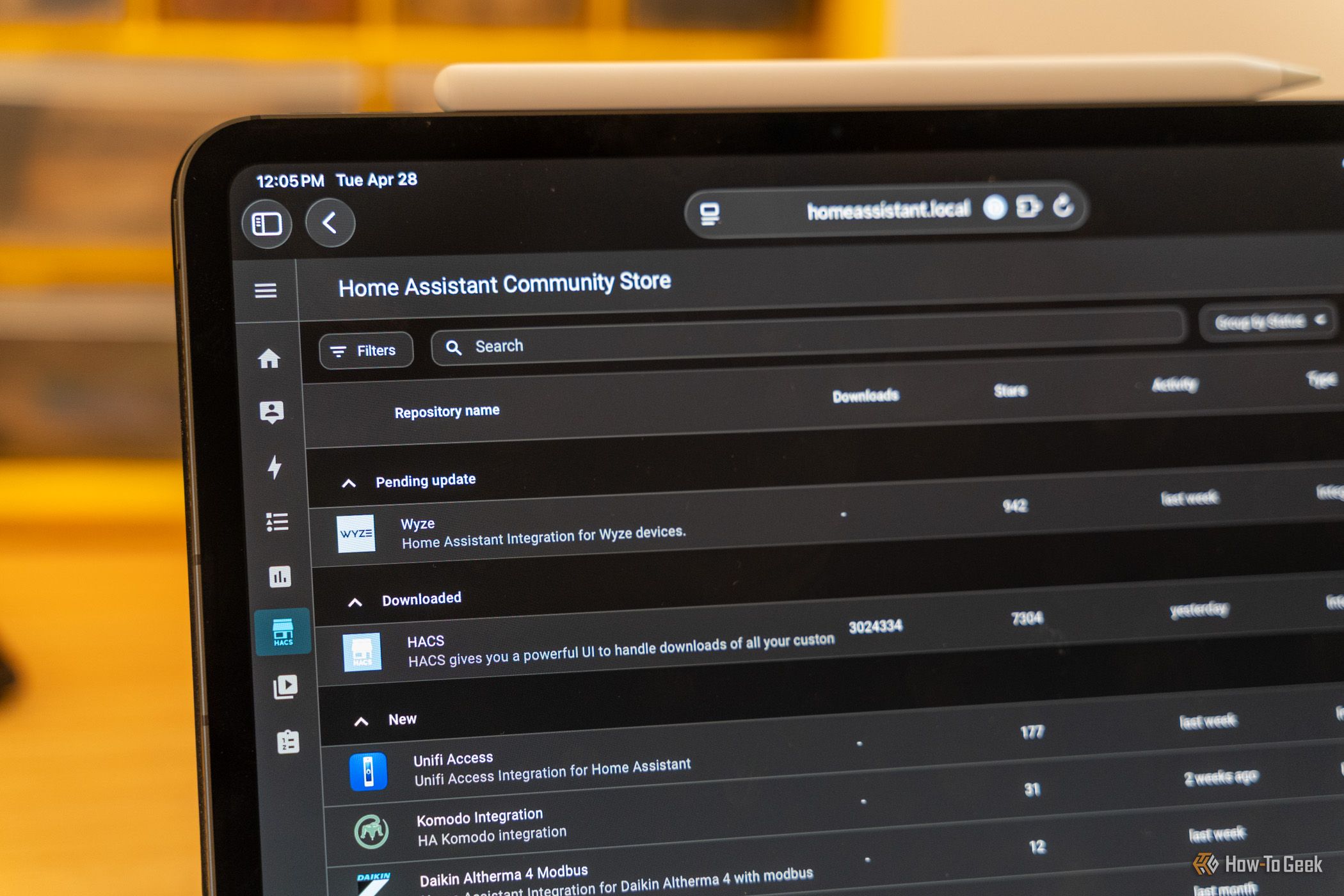
“Home Assistant is outstanding on its own, but HACS is the key that unlocks a universe of custom integrations, themes, and automations,” said Jenna Torres, a smart home architect and longtime community contributor, in an exclusive interview. “It transforms a great system into an extraordinary one.”
The Inverted Pyramid: Why HACS Matters Now
Home Assistant, widely regarded as the most flexible open-source smart home platform, has a critical weakness: its core repository only includes official integrations. HACS bridges this gap by offering over 1,900 community-developed add-ons, from niche device support to advanced UI enhancements.
“Without HACS, Home Assistant is like a smartphone with only pre-installed apps,” said Mark Delgado, a lead developer for a popular HACS integration. “The community’s ingenuity is what makes the platform truly limitless.” Recent data shows that installations with HACS report 40% higher user satisfaction and significantly fewer workarounds for unsupported devices.
Urgent for Users: The Limitations of a Vanilla Setup
Stock Home Assistant installations struggle with devices that lack official integrations—common brands like certain smart locks, Wi-Fi thermostats, or obscure sensors. HACS solves this by providing a one-click installation of community-built custom components, frequently updated and tested by thousands of users.
“I’ve seen countless Home Assistant setups abandoned because users hit a wall with incompatible gear,” explained Dr. Li Chen, a smart home researcher at MIT Media Lab. “HACS removes that wall completely.”
Background: The Home Assistant Community Store
Home Assistant, first released in 2013, quickly became the gold standard for local, private smart home control. However, its strict curation policy—designed for security and stability—limits the ecosystem to officially vetted integrations. This is where HACS was born in 2018: a community-managed marketplace that lets developers share and users install custom code directly from GitHub repositories.
The store now hosts plugins, Lovelace dashboards, custom cards, and even entire automation blueprints. Its popularity surged in 2023 after a major interface redesign, and adoption has accelerated by 35% year-over-year. “HACS is no longer just a nice-to-have,” noted Rachel Okafor, community manager for Home Assistant. “It’s become the de facto way to extend the platform.”
What This Means for Smart Home Users
For average users, HACS democratizes access to advanced features that were once the domain of developers. Complex automations—like multi-room voice control or energy usage forecasting—can be added in minutes. For professionals, it means faster deployment of custom solutions for clients.
“The gap between what Home Assistant can do out of the box and what it can do with HACS is the difference between a bicycle and a spaceship,” said Elliot Vance, a smart home consultant with over 500 installations. “If you’re not using HACS, you’re handicapping your whole system.” The broader implication: Home Assistant’s long-term viability as the ultimate smart home hub may hinge on continued community support through HACS.
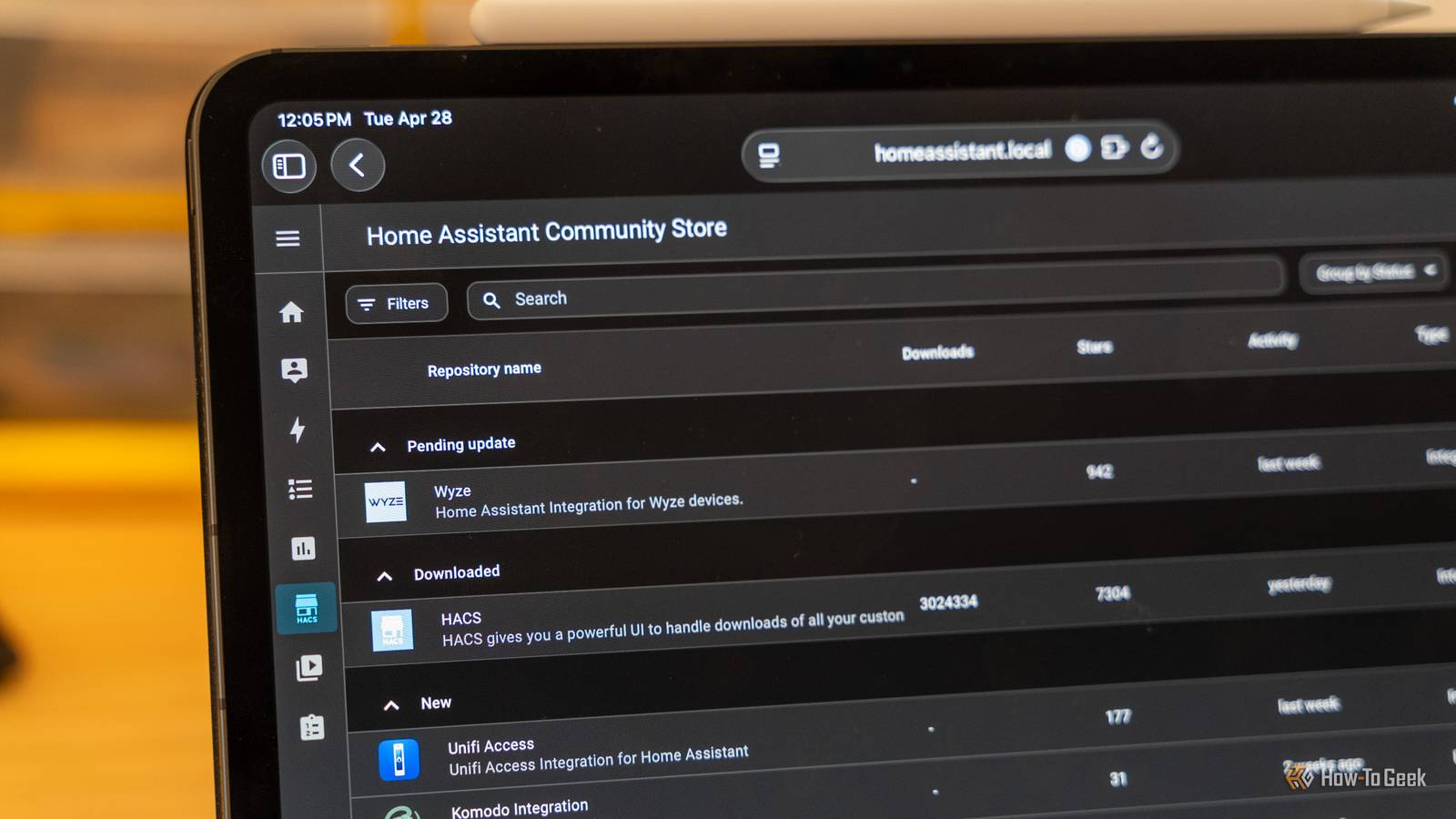
Internal Navigation: Key Sections
- Why HACS Matters Now
- Background: The Home Assistant Community Store
- What This Means for Smart Home Users
Why HACS Matters Now
As smart home devices proliferate—over 300 million active smart home gadgets globally in 2025—compatibility gaps grow. HACS provides the fastest path to closing them, often within days of a new product’s launch. “Without HACS, you’re waiting months for official support, if it ever comes,” warned Dr. Chen. “That’s unacceptable in a rapidly evolving space.”
Background: The Home Assistant Community Store
HACS installs directly within Home Assistant via a single add-on, then offers a curated marketplace. Developers submit code that undergoes peer review but not official certification. Users report issues that are fixed quickly through the GitHub ecosystem. The store’s growth reflects the broader shift toward community-driven open-source solutions.
What This Means for Smart Home Users
Adopting HACS means gaining access to custom Lovelace cards for visualizations, themes for personalization, and pre-built blueprints for common automations like holiday lighting or security alerts. It also means being part of a vibrant ecosystem where users contribute back. “It’s not just software,” said Jenna Torres. “It’s a movement toward making our homes truly intelligent.”
For those hesitating, the risk of breaking updates is low: HACS has a robust version control and rollback mechanism. “We recommend all users install HACS immediately,” concluded Mark Delgado. “The benefits far outweigh any perceived complexity.”
This article was updated with the latest community data and expert commentary.