From Local Vision to Global Reach: A Step-by-Step Blueprint for Entrepreneurs
Introduction
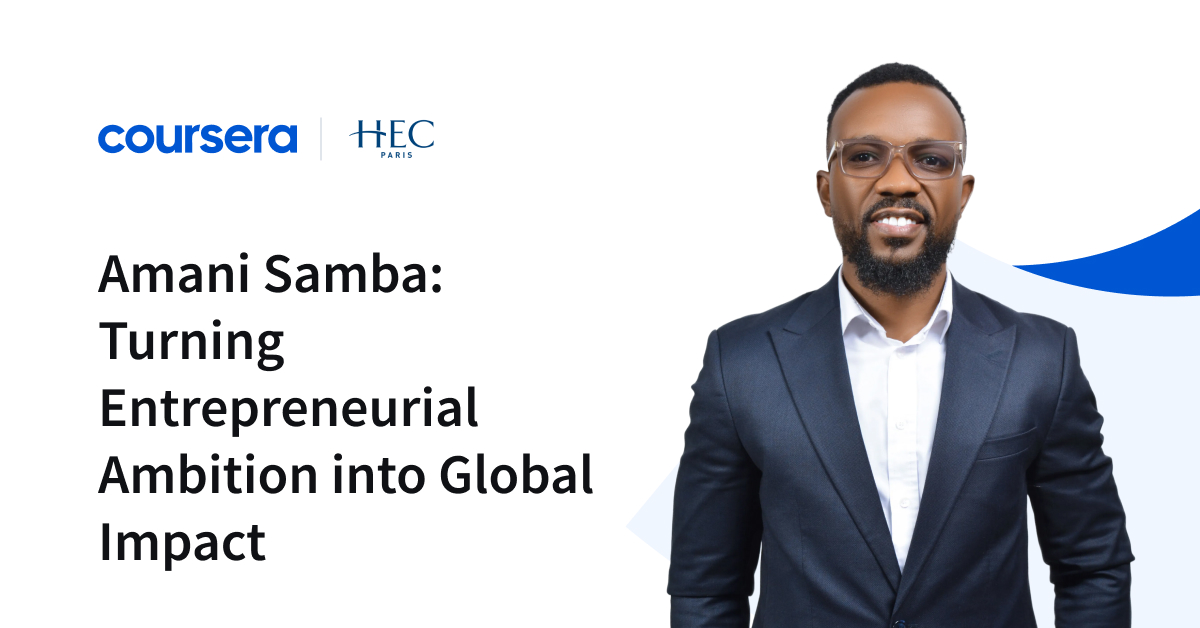
Entrepreneurs often start with a burning desire to solve a problem in their community. But turning that local ambition into a global impact requires more than just passion—it demands strategy, formal knowledge, and a supportive network. Amani Samba’s journey from IT technician to global consultant exemplifies this transformation. By combining hands-on experience with academic rigor and a worldwide community, he scaled his ventures and broadened his influence. This guide distills his approach into actionable steps, helping you move from where you are to where you want to be. Follow along to build your own path to global impact.
What You Need
- Entrepreneurial experience (even if side projects or a small business)
- A clear desire to scale and make a difference beyond your local area
- Time management skills or willingness to develop them
- Access to a computer and reliable internet for online learning and networking
- Budget for tuition or a scholarship option (some programs offer flexibility)
- Support from family or close partners to sustain you through intense periods
Step-by-Step Process
-
Step 1: Assess Your Hands-On Foundation
Before you can scale, you need to know what you already have. Like Amani, who built a strong technical base in IT and access control systems, evaluate your current skills and business projects. List all your side ventures, professional roles, and problem-solving experiences. This inventory will reveal your strengths and highlight what is missing. Ask yourself: What have I already achieved that could be amplified? Document it—this becomes your launchpad.
-
Step 2: Identify the Gap Between Experience and Strategic Knowledge
Hands-on work teaches you tactics, but scaling often requires strategy. Amani realized that while he knew how to build and sell, he lacked formal frameworks to grow systematically. Reflect on your own gaps: marketing, finance, leadership, or innovation models. Write down three areas where strategic thinking could boost your business. This self-awareness is the first step toward choosing the right education or mentorship.
-
Step 3: Research Flexible, High-Impact Education Programs
When Amani searched for a program, he prioritized flexibility—a fully online format that allowed him to keep working—and a prestigious brand that would open doors. Look for programs that offer recorded live sessions, asynchronous learning, and a strong alumni network. Consider executive degrees, specialized master’s, or even high-quality online certificates. The key is to find a curriculum that directly addresses the gaps you identified in Step 2. Don’t underestimate the power of a recognized name: a degree from a top school can amplify your credibility globally.
-
Step 4: Balance Work, Life, and Study with Purposeful Time Management
The program will be demanding—Amani noted it mirrored running a business. Create a realistic schedule that protects time for your venture, family, and coursework. Use tools like time-blocking or the Pomodoro technique. Set clear boundaries: for instance, study during early mornings or late evenings when distractions are low. Amani’s advice: “If you really know how to manage your time, you’ll know how to deal with it.” Start practicing now; treat your education as a pilot for scaling your business.
-
Step 5: Embrace Challenging Projects as Learning Engines
Rather than fearing tough assignments, view them as simulations of real-world business challenges. Amani said the most beneficial part was the project work—it gave him insight into managing every side of the business. When you receive a complex project, dive deep. Apply it directly to your own startup. For example, if asked to create a market entry plan, use your actual product. This dual-purpose approach turns coursework into practical strategy.
Source: blog.coursera.org -
Step 6: Build and Nurture a Global Peer Network
Even if your program is online, collaboration is essential. Amani described his cohort as a family—his project group still stays in touch long after graduation. Actively participate in group work, discussion forums, and virtual meetups. Reach out to classmates from different countries and industries. These connections can become future partners, investors, or clients. Schedule regular check-ins after the program ends. A global network is your bridge to international impact.
-
Step 7: Leverage Your New Credentials and Network for Greater Impact
After completing your program, don’t let your newfound knowledge sit idle. Update your LinkedIn profile, add your degree, and highlight key projects. Reach out to alumni for introductions. Consider consulting roles, speaking engagements, or starting a social venture—just as Amani moved into a consultancy role applying his strategic mindset. Use the credibility of your degree (e.g., “HEC Paris alumni”) to open doors. Attend graduations in person if possible; that ceremony can be a powerful motivator and networking event—Amani met his entire project team there and called it a reward.
Tips for Success
- Start small, think big. Your first impact may be local, but each step builds toward a global reach.
- Don’t go it alone. Involve your spouse, partner, or co-founder in the journey—Amani developed projects with his wife for six to seven years.
- Choose a program that matches your lifestyle. Fully online with recorded sessions helped Amani balance everything.
- Invest in the ceremony. Travel to graduation if possible—it solidifies relationships and marks a milestone worth celebrating.
- Apply learnings immediately. Use every project to test real business ideas. This keeps motivation high and results tangible.
- Stay connected. Amani’s project group still chats; don’t let those connections fade. Schedule quarterly calls or create a private group.
- Update your brand. After earning a degree, update your resume, website, and social profiles. Show the world you’ve leveled up.