Hidden Power: Android Widgets Unveil Secret Buttons When Resized
Breaking: Android Users Discover Hidden Controls in Common Widgets
A hidden feature in Android widgets is giving users access to never-before-seen buttons—simply by resizing them. Experts confirm that many Google-designed widgets, including the Gemini AI tool, reveal additional functionality when expanded beyond their default size.
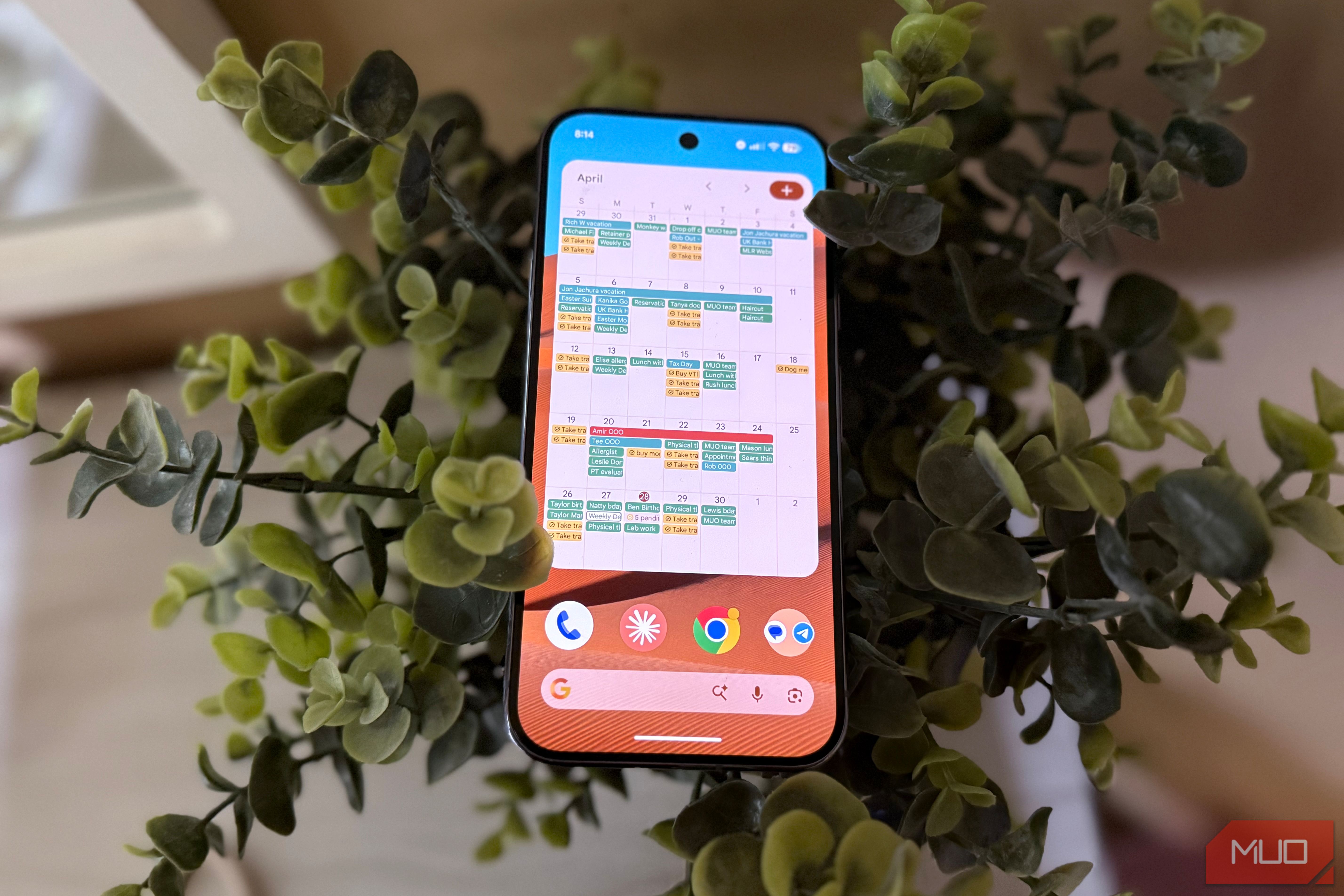
Users report that a long-press and drag to enlarge a widget unlocks new options such as screen sharing, image uploads, and file attachments. The feature has flown under the radar for months.
“This is a classic case of a design team assuming users would experiment with resize handles,” says Dr. Lena Hart, a mobile UX researcher at TechInsight. “But in reality, most people never think to stretch a widget beyond its initial appearance.”
More Than Meets the Eye
The discovery stems from a viral post on X, where a user detailed finding three new buttons in the Gemini widget after making it larger. The buttons—Share Screen with Gemini, Upload Image, and Attach File—were invisible in the compact default view.
Google’s own widget design guidelines have long promoted adaptive layouts, but the company never explicitly advertised these hidden controls. “It’s both a missed marketing opportunity and a usability puzzle,” notes Hart.
Background
Android widgets are small app interfaces that live on the home screen, providing quick access without opening the full app. They have been resizable since Android 4.0 (Ice Cream Sandwich), but few users explore the option.
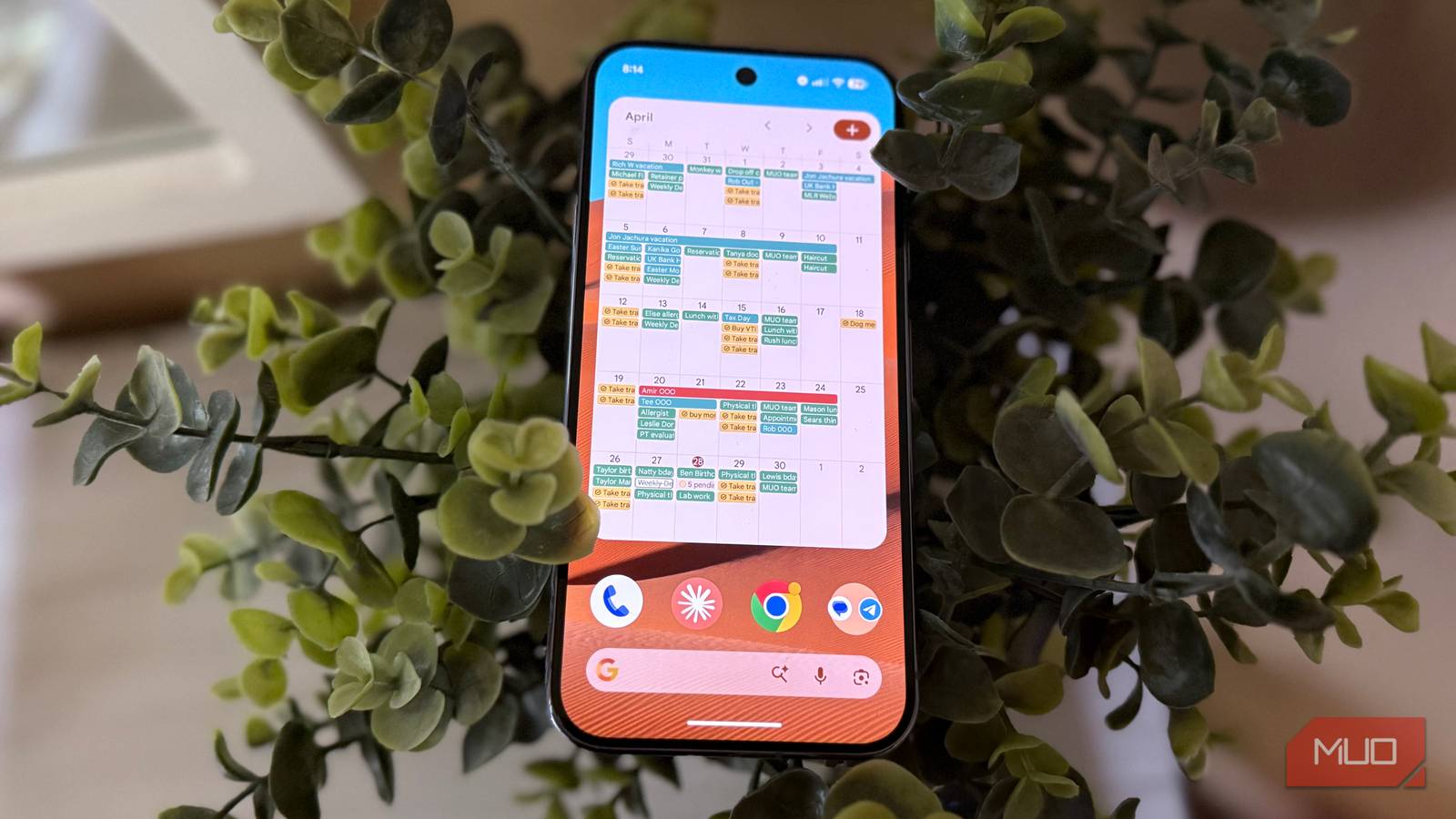
Google’s suite of widgets—including those for Calendar, Clock, and Gemini—are built with dynamic content that changes based on size. However, only a subset of these widgets actually hide buttons; most simply shrink or expand existing elements.
The Gemini widget, part of Google’s AI assistant rollout, appears to be the most dramatic example. When minimized, it shows only a text input bar and a microphone icon. Enlarging it unveils the three additional controls.
What This Means
For everyday Android users, this hidden layer of functionality means they may be missing out on powerful shortcuts without even knowing it. Screen sharing and file uploads from a home-screen widget could save time versus navigating through menus.
Security experts also urge caution. “Hidden features can lead to unintended activations,” warns Marcus Chen, a cybersecurity analyst at DigitalGuard. “If a widget exposes sensitive actions, users should be aware of what they’re granting permission to.”
Google has not issued an official statement, but a spokesperson for the Android team told TechWire that “adaptive widget design is intentional to optimize screen space.” Until more users learn to resize, these buttons remain one of Android’s best-kept secrets.
To explore your own widgets, try long-pressing any widget and dragging the handles outward. If you spot new icons or buttons, you’ve just unlocked hidden potential—without installing a thing.
For a list of compatible widgets, see our Widget Feature Matrix below.
Widgets Known to Hide Features
- Gemini – Screen share, image upload, file attach
- Google Drive – Quick upload buttons (when expanded)
- Google Keep – Checklist and image icons
Not all third-party widgets support this, but developers can enable it using the setResizable API. Expect more apps to follow suit as word spreads.