How to Evaluate the True Scale of the 2026 Coal Comeback
Introduction
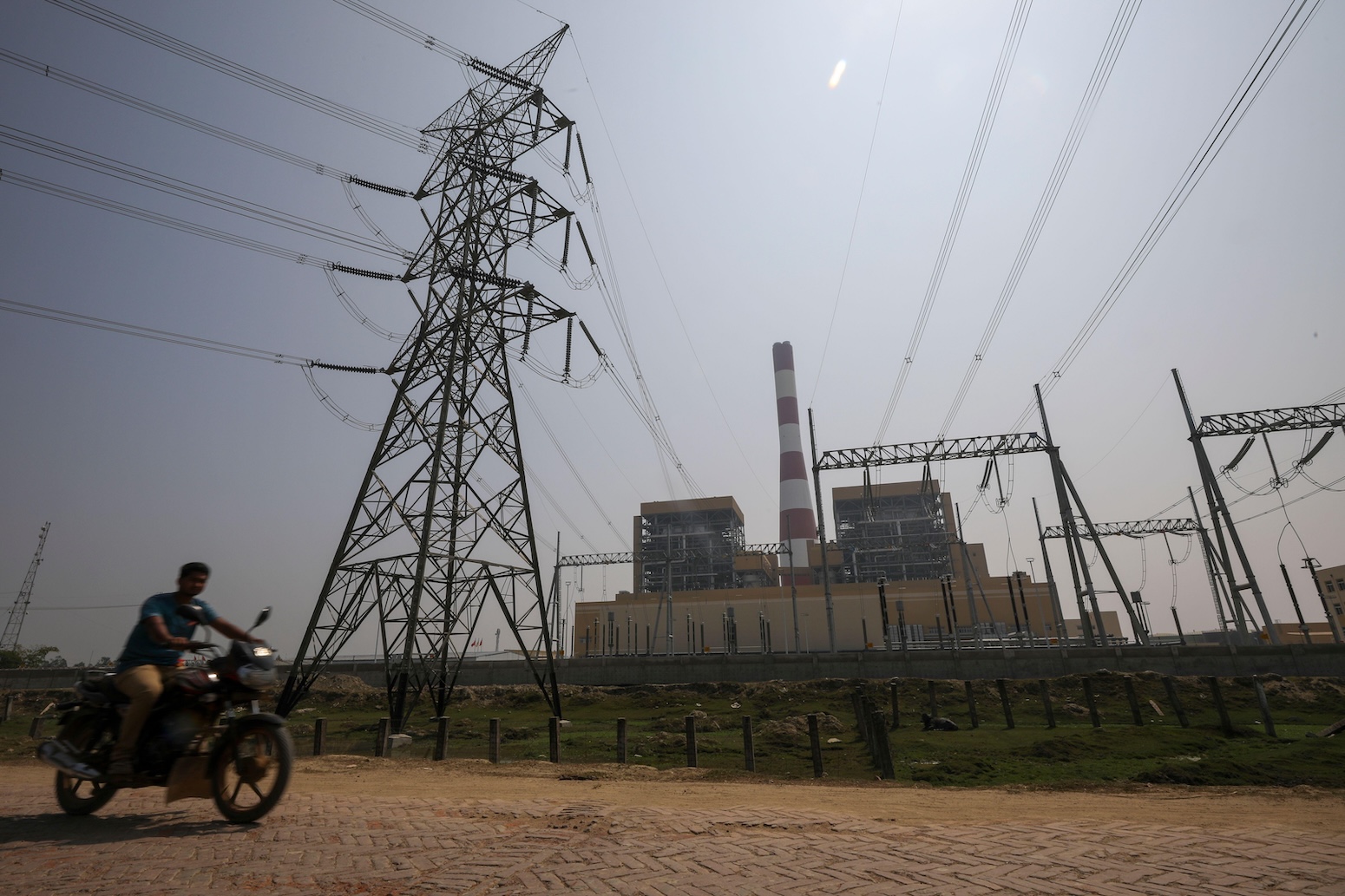
Headlines about a global return to coal in the wake of the Iran crisis have sparked both alarm and celebration. But the real picture is far more nuanced. According to a new analysis by the energy thinktank Ember, the actual increase in coal-fired power generation in 2026 will be surprisingly small—at most 1.8% under a worst-case scenario, with the likely rise even lower. This guide will walk you through the key factors you need to assess the true scale of any coal resurgence, from geopolitical triggers to structural energy trends. By the end, you’ll be able to separate hype from reality and understand why clean energy remains the dominant investment story.
What You Need
- Access to Ember’s latest electricity data (or summary reports)
- Knowledge of global LNG trade routes, especially the Strait of Hormuz
- An understanding of historical energy crises (e.g., the Russia-Ukraine war of 2022)
- Country-level data on coal capacity and generation plans (Japan, South Korea, Bangladesh, Philippines, Thailand, Pakistan, Germany, Italy)
- Awareness of global electricity demand growth trends and clean energy deployment rates
Step 1: Identify the Geopolitical Trigger
The current narrative began with the US-Israeli attacks on Iran and Iran’s subsequent blockage of the Strait of Hormuz. This narrow waterway normally carries one-fifth of the world’s liquefied natural gas (LNG), primarily to Asian markets. The disruption has tightened gas supplies and kept prices well above pre-conflict levels. To evaluate the potential for a coal comeback, first understand which countries are most exposed to these gas shortages. Typically, nations that depend heavily on LNG imports—like Japan, South Korea, Bangladesh, Philippines, Thailand, and Pakistan—are the ones most likely to consider switching to coal. In Europe, Germany and Italy also face higher gas costs. List these countries and their current coal infrastructure.
Step 2: Analyze the Actual Policy Responses
Once you have the list of vulnerable countries, examine their official announcements. Many have indeed declared plans to increase coal-fired generation, delay coal phase-outs, or review existing retirement schedules. For example, Japan and Pakistan have outlined contingency plans. However, it is critical to distinguish between policy announcements and actual implementation. Often, such statements are reactive and may not lead to significant new coal plant construction or sustained higher utilisation. Check if the countries have allocated budgets, issued permits, or begun construction. Without concrete action, the announcements remain hypothetical. This step helps you filter out noise from genuine shifts.
Step 3: Compare with the 2022 Ukraine Precedent
A similar panic about a coal resurgence occurred after Russia’s invasion of Ukraine in 2022. Many feared a massive coal comeback in Europe due to disrupted Russian gas supplies. Yet by 2025, EU coal use had fallen to a historic low, after only a temporary spike in 2022. This historical parallel is instructive. Use data from 2022-2025 to show how media hype and short-term spikes can mask a long-term structural decline in coal. The Iran crisis, while serious, may follow a similar pattern: an initial uptick, then a return to decline as alternative energy sources (renewables, nuclear, and demand management) fill the gap. Acknowledge that the 2022 experience significantly reduced Europe’s reliance on Russian gas, so the current crisis affects a different set of countries.
Step 4: Consult Ember’s Worst-Case Analysis
Ember’s analysis, shared exclusively with Carbon Brief, provides a data-driven baseline. Their “worst-case” scenario models the maximum possible global increase in coal generation if all announced plans were fully executed. Even in that extreme, the rise is only 1.8%. To contextualise, that is a tiny fraction of global electricity generation (around 0.2% of total). Moreover, Ember notes that the reality could be lower because many countries’ plans are not yet funded or because demand growth may slow down. Use their numbers to calibrate your expectations. If you can access the full report, examine the underlying assumptions (e.g., plant availability, gas prices, demand elasticity). This step grounds your analysis in rigorous modeling rather than speculation.
Step 5: Account for Offsetting Declines Elsewhere
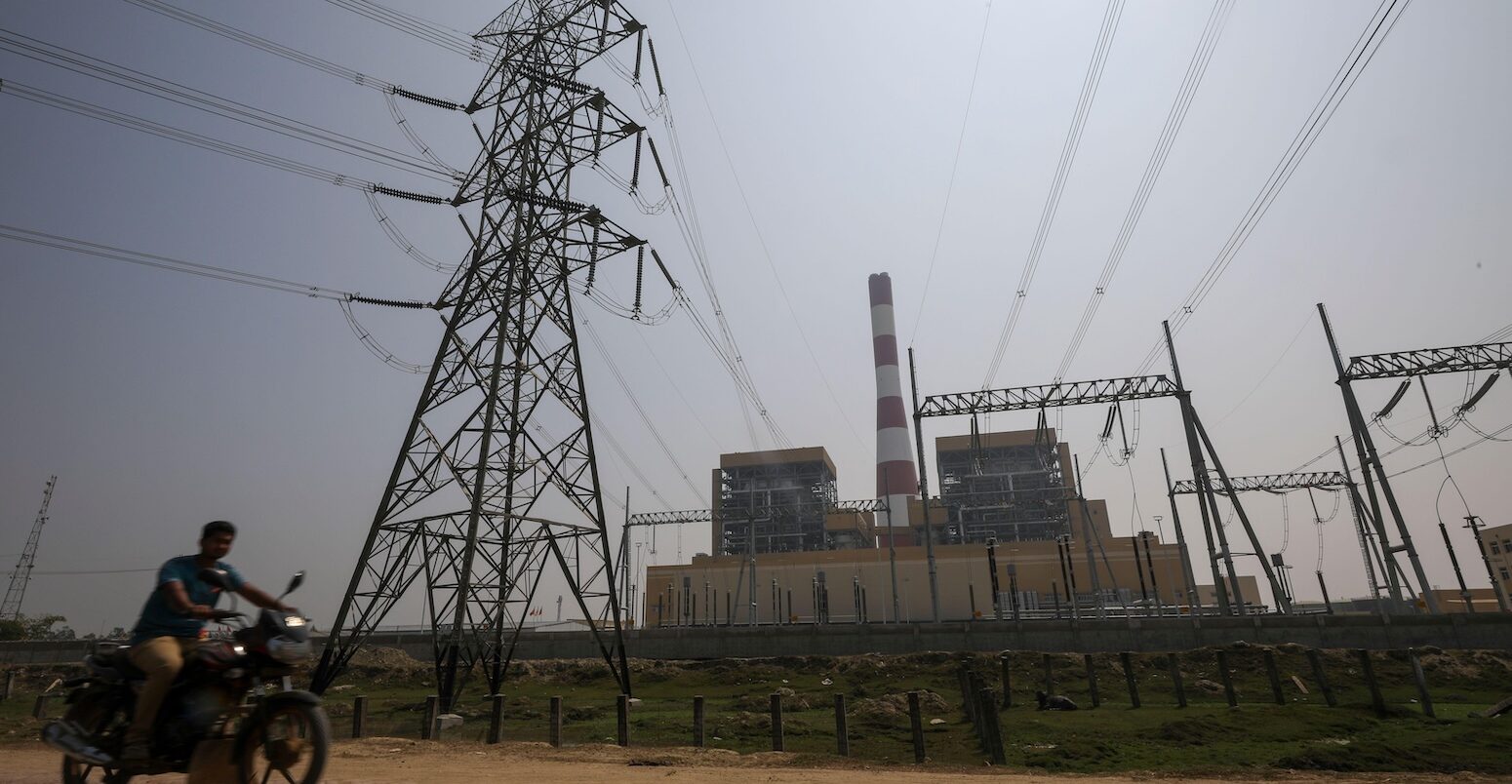
Even as some countries flirt with more coal, others are reducing it faster. China, the world’s largest coal consumer, has been aggressively expanding renewables and may continue to plateau its coal generation. The US and European Union, despite political shifts, are seeing coal retirements outpace any new builds. India’s coal growth is also slowing due to renewable deployment and economic constraints. Net it out: the global picture is not a uniform surge. Instead, it is a redirection of coal from shrinking markets to a few temporarily expanding ones. This offsets the gains from countries like Japan or Pakistan. To calculate the net effect, compare the annual growth in coal generation from the “comeback” countries against the annual decline from the rest of the world. Ember’s analysis does this and finds the net increase minimal.
Step 6: Factor in Clean Energy Momentum
Perhaps the most important counterpoint is the accelerating deployment of renewable energy. Solar and wind are now cheaper than coal in most regions, and battery storage is solving intermittency issues. The energy crisis itself has made clean energy investments more attractive because they offer price stability and energy independence. Many of the same countries considering coal are also investing heavily in renewables—for example, Japan’s offshore wind plans, Germany’s solar boom, and India’s massive renewable targets. In addition, global electricity demand growth may slow due to efficiency gains and economic slowdown. When demand stalls, the need for additional coal plants vanishes. Use data from the International Energy Agency (IEA) or BloombergNEF to show that renewable additions continue to break records. This step completes the story: any coal “comeback” is a short-term blip in an otherwise inexorable clean energy transition.
Tips for Staying Informed
- Don’t take headlines at face value. The phrase “return to coal” is often used for clicks. Always check the underlying data and time horizon.
- Monitor real-time electricity generation data. Websites like Ember’s Global Electricity Review or the IEA’s monthly statistics can reveal actual coal burn, not just plans.
- Watch the gas-coal switching spread. The price difference between gas and coal determines economic incentives. If gas prices stay high, coal may get a temporary boost, but storage costs and carbon pricing can erode that advantage.
- Look at the long-term pipeline. Coal plant retirements and new renewable projects take years. The 2026 increase is likely a short-term response, not a reversal of the multi-decade decline.
- Consider the climate implications. Even a 1.8% increase in coal output matters for emissions. But it is far less than the 5-10% spikes sometimes feared. Focus on the structural trend: coal’s share of global electricity is falling.
Conclusion
By following these six steps, you can confidently assess the true scale of any supposed coal comeback. The key takeaway from Ember’s analysis is that the 2026 surge will be minor, temporary, and largely cancelled by declines elsewhere. The real story is the resilience and rapid growth of clean energy, which is now the default choice for new power generation. Rather than a return to coal, we are witnessing the last gasps of a dying fuel in a world increasingly powered by the sun and wind.