Rivian Secures $4.5 Billion DOE Loan for Georgia EV Plant, Signaling Administration's Commitment to Electric Vehicles
Breaking: Rivian Receives $4.5 Billion Loan from U.S. Department of Energy
The U.S. electric vehicle startup Rivian has secured a $4.5 billion loan from the U.S. Department of Energy, marking a major victory for the company and a clear signal that the current administration is doubling down on EV production despite previous political headwinds.
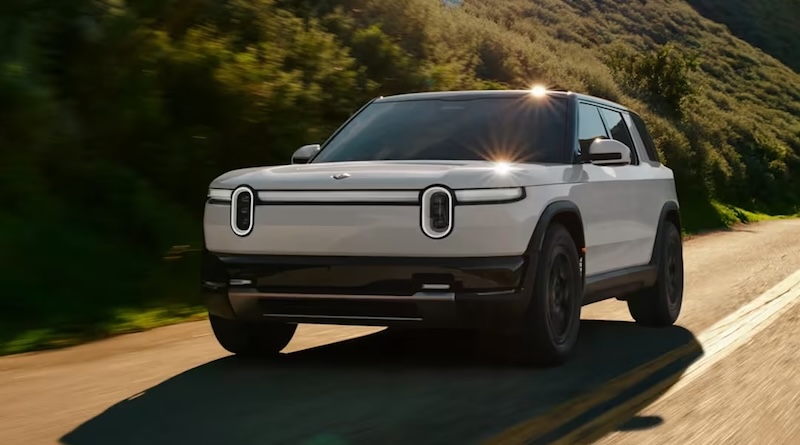
The funding, announced today, will support Rivian's plans to build a large-scale manufacturing facility in Georgia, with mass production slated to begin in 2028.
Key Details of the Loan and Georgia Plant
The loan comes from the DOE's Advanced Technology Vehicles Manufacturing (ATVM) program, which has historically backed domestic EV and battery production. Rivian's Georgia plant is expected to produce hundreds of thousands of electric trucks and SUVs annually.
According to company officials, the facility will create at least 7,500 jobs and help Rivian scale up its production capacity to meet growing demand. The plant will be located near Social Circle, Georgia, about 50 miles east of Atlanta.
“This loan is a transformative step for Rivian and for American manufacturing. It allows us to accelerate our mission of building sustainable transportation at scale, and it shows that the U.S. government is fully behind a clean energy future.”
— RJ Scaringe, CEO of Rivian
“This investment makes perfect strategic sense. The previous administration's attempts to undermine EV growth have clearly failed. The market is moving, and the government is wisely choosing to support domestic champions.”
— Dr. Emily Tran, Senior Analyst at the Clean Energy Policy Institute
Background: From Trump's War on EVs to Federal Support
During his presidency, Donald Trump repeatedly criticized electric vehicles, rolled back fuel efficiency standards, and sought to revoke California's authority to set stricter emissions rules. The Trump administration also opposed extending EV tax credits and attempted to block loans for EV startups.
In contrast, the Biden administration has aggressively promoted EVs through the Inflation Reduction Act, infrastructure funding, and DOE loans. Rivian's loan approval marks a decisive reversal of prior policy and underscores the federal government's bet on electrification.
What This Means for Rivian and the EV Industry
For Rivian, the $4.5 billion injection solves a critical capital need. The company has faced production delays and cash burn concerns; this loan provides a low-cost financing option that will see it through the construction of its Georgia facility.
For the broader EV market, the loan signals that the DOE is willing to back large-scale domestic manufacturing even for relatively young automakers. This could encourage other startups to pursue similar funding and accelerate the U.S. transition to electric mobility.
Industry experts note that Rivian's success in Georgia will be a bellwether for whether American startups can compete with Tesla, legacy automakers, and Chinese rivals. The plant's output is expected to supply both the U.S. and international markets.
Furthermore, the loan arrives at a time when the administration is facing pressure to show tangible results from its climate policies. Rivian's project is expected to reduce carbon emissions by displacing internal-combustion vehicles and to strengthen domestic supply chains for batteries and components.
Next Steps and Timeline
Construction of the Georgia plant is set to begin later this year, with initial equipment installation expected in 2026. Rivian plans to start pilot production in 2027 and ramp up to full capacity by 2028.
The company also intends to continue operating its existing plant in Normal, Illinois, which currently produces the R1T pickup and R1S SUV. The Georgia facility will initially focus on the R2 platform, a more affordable model line slated for launch in 2026.