5 Fascinating Facts About May's Flower Moon and Its 'Micromoon' Status
As spring blooms across the Northern Hemisphere, May's full moon—lovingly called the Flower Moon—prepares to grace our skies. But this year brings a subtle twist: it's a 'micromoon,' appearing slightly smaller and dimmer than usual. Whether you're an avid stargazer or a casual observer, here are five things you need to know about this celestial event, from its name origins to viewing tips.
1. What Exactly Is the Flower Moon?
May's full moon is traditionally known as the Flower Moon, a name rooted in Native American and colonial traditions. It coincides with the widespread blooming of spring flowers across the Northern Hemisphere—think wild roses, lilacs, and daisies painting meadows and gardens. Other names include the Corn Planting Moon and Milk Moon, reflecting agricultural rhythms. This lunar event marks a time of renewal and growth, linking the moon's phases to the Earth's seasonal cycles. Learn why this year's version is a micromoon.
2. What Makes It a 'Micromoon'?
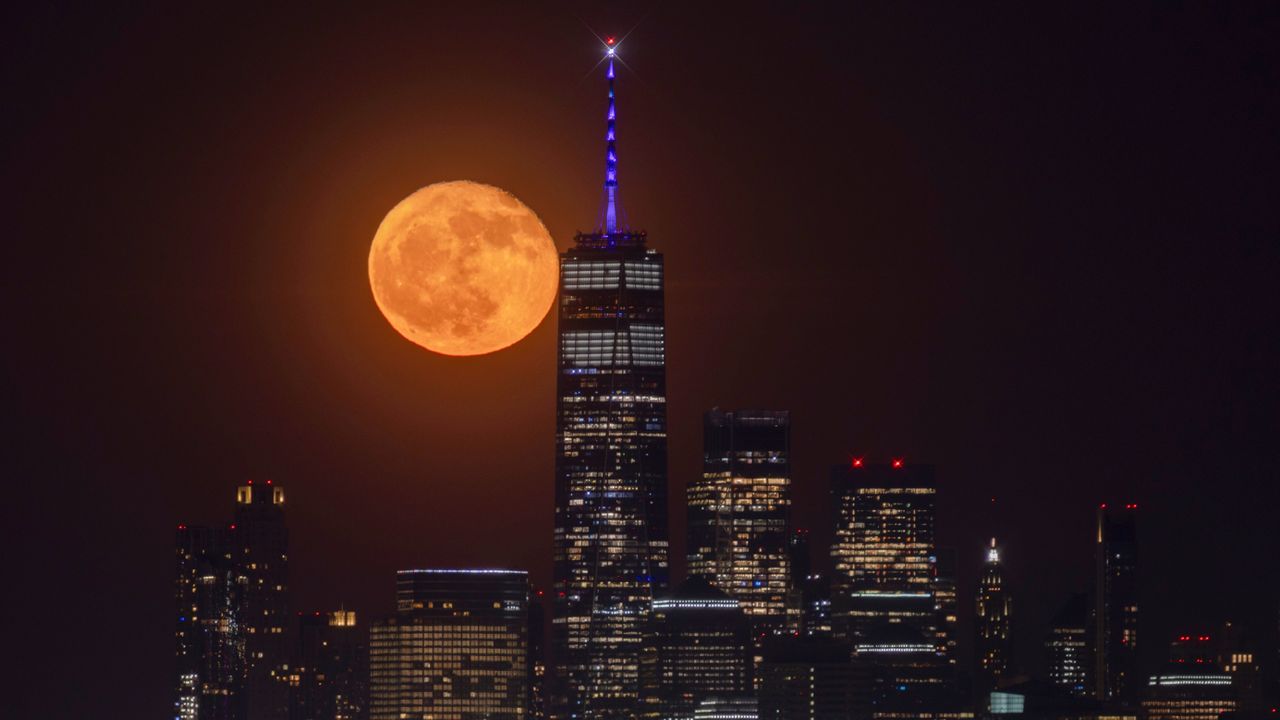
A micromoon occurs when a full moon coincides with apogee—the farthest point in the moon's elliptical orbit around Earth. This distance can be up to 405,500 kilometers (252,000 miles) away, making the moon appear about 14% smaller and 30% dimmer than a supermoon. While the difference is subtle to the naked eye, it's a gentle reminder of the moon's celestial dance. The term 'micromoon' isn't official but is widely used to contrast the more famous supermoon. Find out when and where to spot it.
3. When and Where to See It?
The Flower Moon reaches peak illumination on the night of May 16 (or early May 17 in some time zones). In the Northern Hemisphere, it rises in the east around sunset and climbs high overhead by midnight, visible for the entire night. No special equipment is needed—just clear skies and an unobstructed horizon. For best viewing, head away from city lights. The moon will appear full for about three days around the peak. Check local moonrise times for your location.
4. Cultural and Historical Significance
Beyond its flowery nickname, May's full moon holds deep cultural roots. In Buddhism, Vesak—celebrating the birth, enlightenment, and death of Buddha—often falls on or near this full moon in many traditions. For ancient Europeans, it was the 'Milk Moon,' signaling the time when cows could be milked more frequently after spring births. Native American tribes named it after the abundant blossoms. This moon often marks the midpoint of spring, a time of fertility and abundance across many cultures.
5. How to Photograph the Micromoon
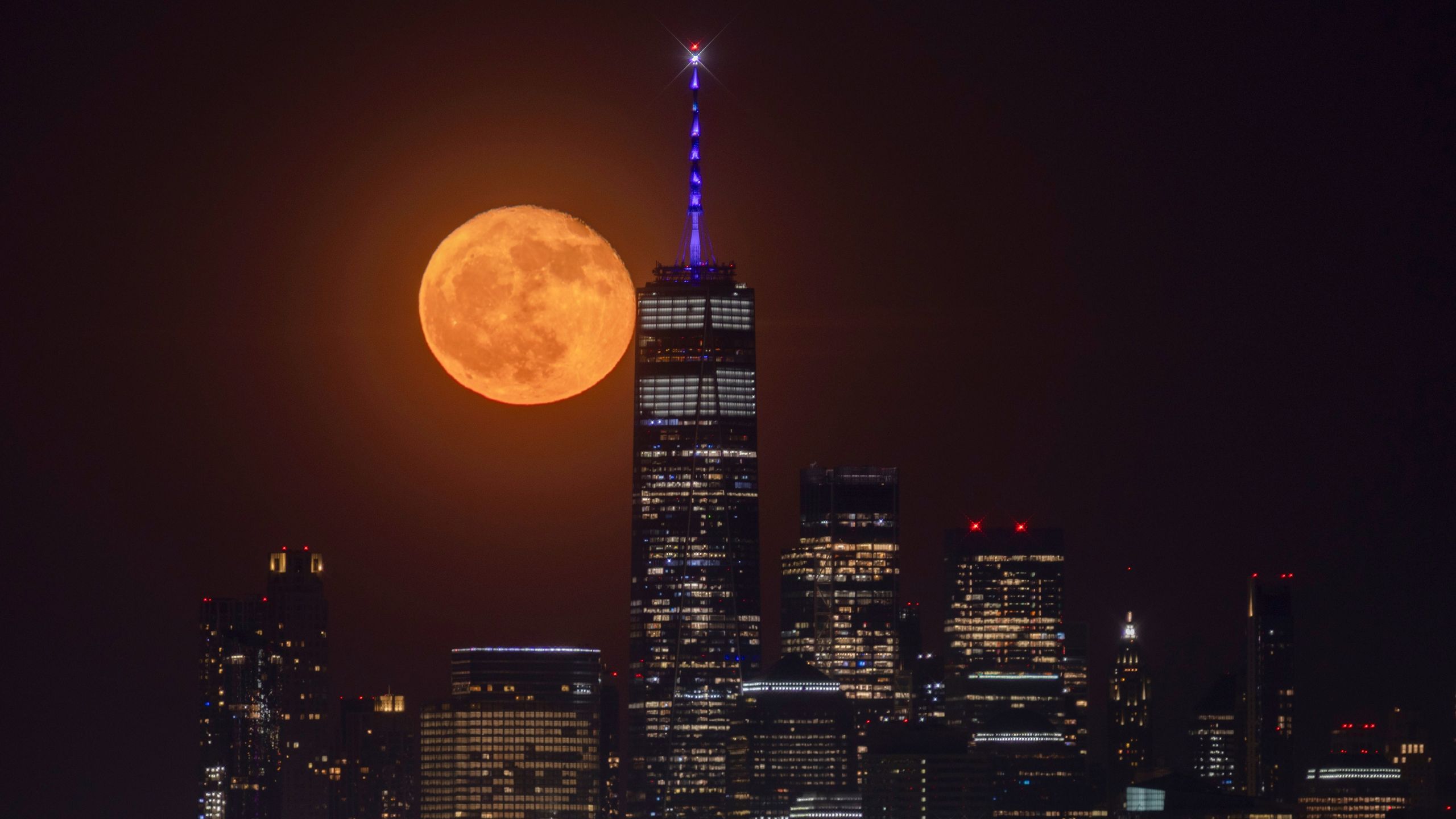
Capturing a micromoon requires a bit of technique. Since it's smaller and less bright than a supermoon, a camera with a telephoto lens (200mm or more) helps. Use a tripod to avoid blur, and set your camera to manual mode: start with ISO 100, aperture f/8, and shutter speed around 1/125 second. To emphasize the moon against a landscape, include foreground elements like trees or buildings. For a quick snapshot, a smartphone with a zoom lens can work—steady it against a support. Avoid overexposing; the moon is brighter than it looks.
Whether you're marveling at its subtle size or simply enjoying the seasonal bloom, the Flower Moon offers a gentle pause in our busy lives. Its micromoon status reminds us that even celestial bodies have their quiet moments. So step outside, look up, and let the moonlight wash over you.