Why Sony's AI Camera Assistant Is Sparking Outrage: A Deep Dive into the Worst Camera Trend
Smartphone photography has seen a battle between natural image processing and aggressive AI enhancements. Sony's latest move with the Xperia 1 VIII's 'AI Camera Assistant' has triggered a firestorm of criticism. Below, we break down exactly what's happening, why it matters, and what this trend means for the future of mobile photography.
What Is Sony's 'AI Camera Assistant' and How Does It Work?
The AI Camera Assistant is a software feature in Sony's Xperia 1 VIII that automatically applies a stylized, heavily processed look to every photo you take. Instead of simply improving sharpness or reducing noise, it adds artificial texture, oversharpens edges, and creates a hyper-realistic, almost painting-like effect. Users have no easy way to disable it—the option is buried deep in settings or missing entirely. This turns every snapshot into a version that removes a camera's natural character, replacing it with a generic 'AI-enhanced' gloss. Many reviewers have noted that the output resembles a cheap filter rather than a premium smartphone camera, and Sony seems to believe this is an improvement.
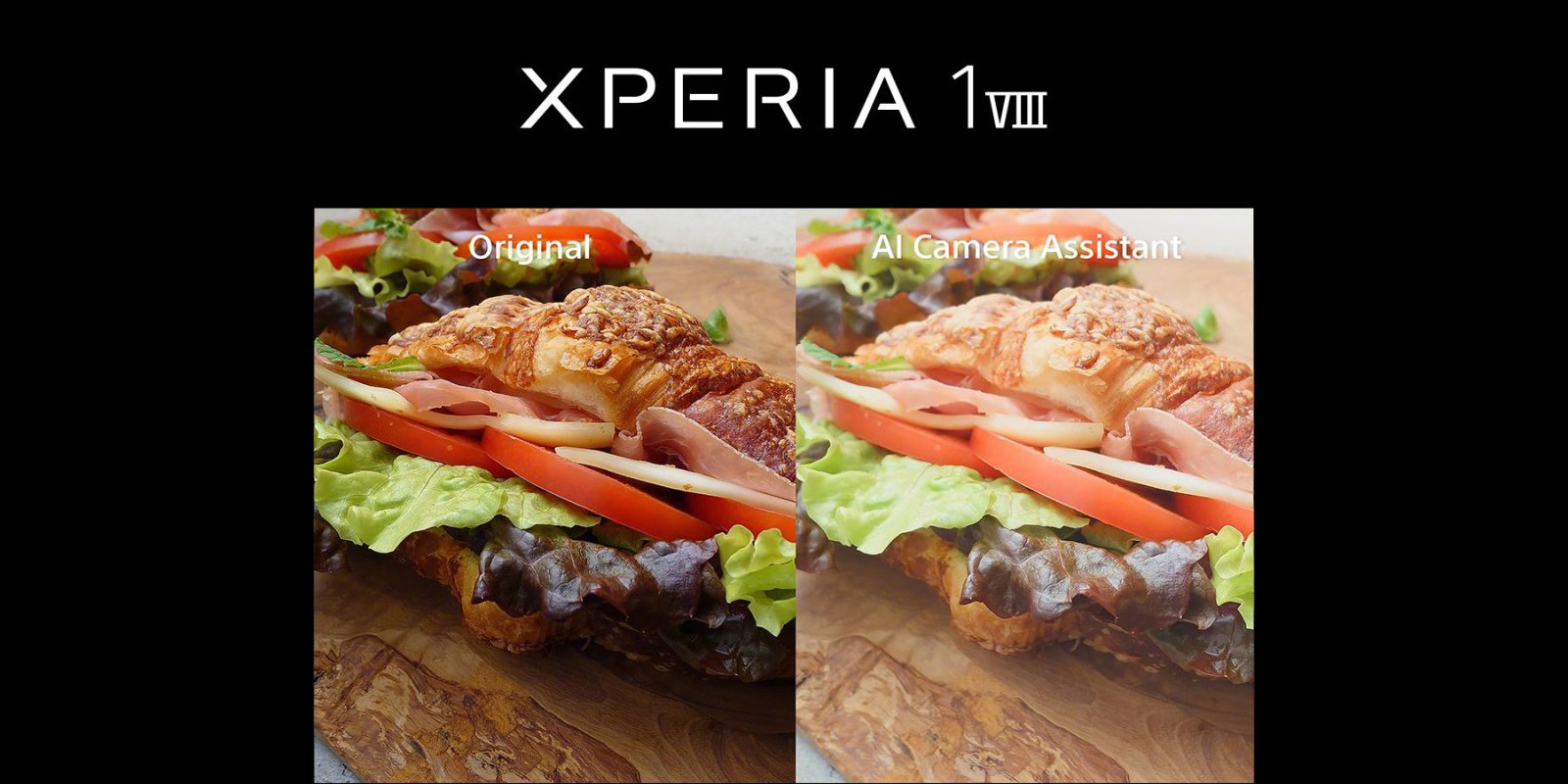
Why Are Critics Calling This the 'Final Boss' of Bad Camera Trends?
The term 'final boss' captures the idea that the AI Camera Assistant represents the worst possible endpoint of a troubling trend: manufacturers prioritizing AI gimmicks over authentic image capture. For years, brands like Google and Samsung have used computational photography to enhance photos, but usually with subtlety—improving dynamic range, reducing noise, or optimizing colors. Sony's approach goes further by fundamentally altering the image's structure, introducing artifacts and an unnatural sheen. Critics argue this removes the photographer's control and makes every shot look artificial. Unlike earlier trends like 'beauty mode' or 'portrait lighting', which were optional, Sony's AI assistant is often forced on users. That's why it's being called the 'final boss'—it's the most aggressive, least optional iteration of a problem that has been building for years.
How Does This Compare to Other Smartphone Photo Processing Systems?
Leading competitors such as the Google Pixel series, iPhone, and Samsung Galaxy use AI to assist rather than dominate. For example, Pixel's HDR+ merges multiple frames to improve exposure without adding fake details. Apple's Deep Fusion enhances texture but keeps the image looking natural. Samsung's scene optimizer sometimes oversaturates, but you can turn it off. Sony's AI Camera Assistant, by contrast, applies a single, heavy-handed 'style' that cannot be easily reversed. The result is akin to a permanent Instagram filter baked into the camera app. Users who prefer raw or natural shots are left with no recourse. This lack of flexibility and the severity of the processing is what sets Sony apart—and not in a good way. The backlash is therefore not just about one feature, but about a philosophy that values 'AI art' over authentic photography.
What Specific Visual Issues Does the AI Assistant Cause?
The most commonly reported issues include extreme oversharpening that creates halos around edges, unnatural noise reduction that makes skin look waxy, and a consistent 'clarity' boost that adds fake texture to flat surfaces like skies or walls. Colors are often boosted beyond real-life appearance, leading to a cartoonish saturation. In low-light conditions, the AI can introduce a blotchy, painting-like effect as it tries to fill in missing detail. The software also tends to smooth out fine details like hair or grass, making them look plastic. These are precisely the kind of artifacts that professional photographers and enthusiasts have spent decades trying to avoid. The fact that Sony—a company historically revered for its camera sensors—is now championing these flaws is particularly disappointing.

Can Users Disable or Adjust the AI Camera Assistant?
Reports indicate that users cannot easily turn off the AI Camera Assistant. While there may be a toggle buried in the camera app's advanced settings, many users have found that even when disabled, the AI processing still applies to certain modes or overrides after taking a photo. Some have had to resort to third-party camera apps to bypass Sony's processing entirely. This lack of control is a major point of frustration. In a market where competitors offer robust manual controls and RAW capture options, Sony's decision to lock users into a single aggressive style feels like a step backward. Even within Sony's own ecosystem, previous Xperia models allowed more natural output. The removal of user choice for this 'feature' is perhaps the most criticized aspect.
What Does This Mean for the Future of Smartphone Photography?
The Sony Xperia 1 VIII incident signals a worrying trend: manufacturers may increasingly prioritize 'look at this AI magic' over 'look at this beautiful, unaltered photo.' If other brands follow Sony's path, we could see a future where every smartphone photo is processed through an AI filter that prioritizes 'pop' over accuracy. This would erode trust in smartphone photography as a reliable record of reality. On the positive side, the backlash shows that many consumers still value natural images and manual control. Companies like Google and Apple have successfully balanced computational photography with authenticity. The lesson for Sony—and others—is that AI should be a tool, not a straightjacket. The Xperia 1 VIII may end up as a cautionary tale, proving that heavy-handed processing alienates the very enthusiasts who drive premium smartphone sales.
Is There Any Potential Benefit to Sony's Approach?
Some casual users might appreciate the hyper-processed look for social media posts—it makes photos appear instantly 'edited' and vibrant without any effort. For snapshots shared on Instagram or TikTok, the AI enhancement can create a dramatic, eye-catching effect. However, the problem is that this benefit is one-size-fits-all and cannot be dialed back. Professional photographers, hobbyists, and anyone who values accuracy will find it unusable. In a phone like the Xperia 1 VIII, which targets a premium audience often interested in photography, this trade-off is especially baffling. Sony could have offered the AI effect as an optional mode, but forcing it on every shot undermines the phone's own potential. Ultimately, the 'benefit' is so narrow that it's largely seen as a misstep rather than a feature.