How SpaceX Prepares for the Starship V3 Maiden Launch: A Step-by-Step Guide
Introduction
SpaceX is on the cusp of making history once again with the maiden spaceflight of Starship V3, the tallest and most powerful rocket ever built. Scheduled for next week, this launch represents a monumental leap in space exploration. This guide walks you through the key steps SpaceX takes to prepare for such a high-stakes event—from final assembly to the final countdown. Whether you're an aerospace enthusiast or just curious about the process, these steps provide a behind-the-scenes look at what it takes to launch a mega-rocket.
What You Need
To fully appreciate the preparation process, you'll need:
- Basic knowledge of rocket terminology (e.g., static fire, orbital insertion, booster landing).
- Access to SpaceX’s official updates (website, social media, or press releases).
- A reliable internet connection to follow live streams and updates.
- Patience – launch preparations often involve delays and weather holds.
Step 1: Final Integration and Stacking
The first step is physically assembling the Starship V3. At SpaceX’s Starbase facility in Texas, the massive Super Heavy booster is stacked onto the launch mount, followed by the Starship upper stage. This process requires precision crane operations and multiple days of careful alignment. Engineers inspect all connections, including propellant lines, electrical systems, and the heat shield tiles.
Step 2: Pre-Flight Testing (Static Fire)
Before any launch, SpaceX performs a static fire test – a full-duration burn of the Raptor engines while the rocket remains anchored. This validates engine performance, fuel flow, and structural integrity. For Starship V3, this test involves firing all 33 Raptor engines on the booster (and 6 on the upper stage) for several seconds. Data from the test is analyzed to confirm readiness.
Step 3: Regulatory and Safety Approvals
SpaceX coordinates closely with the Federal Aviation Administration (FAA) and local authorities. This step includes obtaining a launch license, verifying flight termination systems, and ensuring the flight path avoids populated areas. For a maiden flight, additional scrutiny is applied. Public safety zones are established, and marine/air traffic restrictions are put in place.
Step 4: Vehicle Rollout and Launch Pad Setup
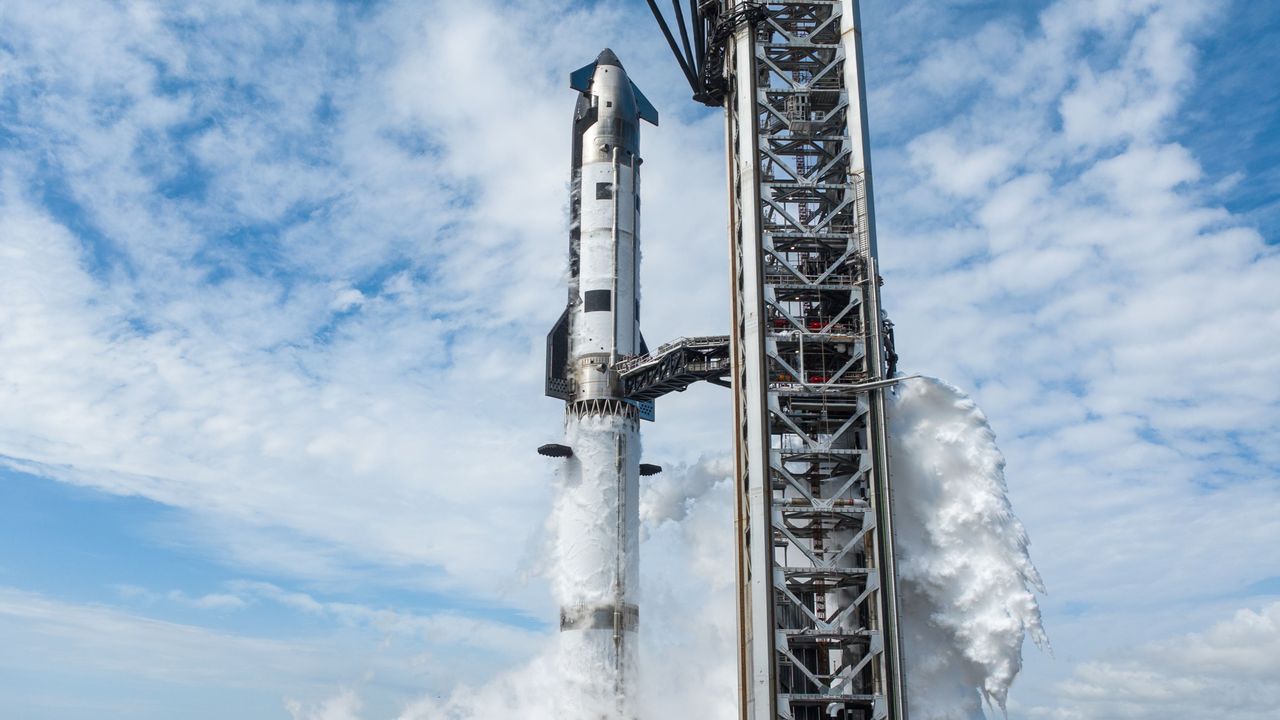
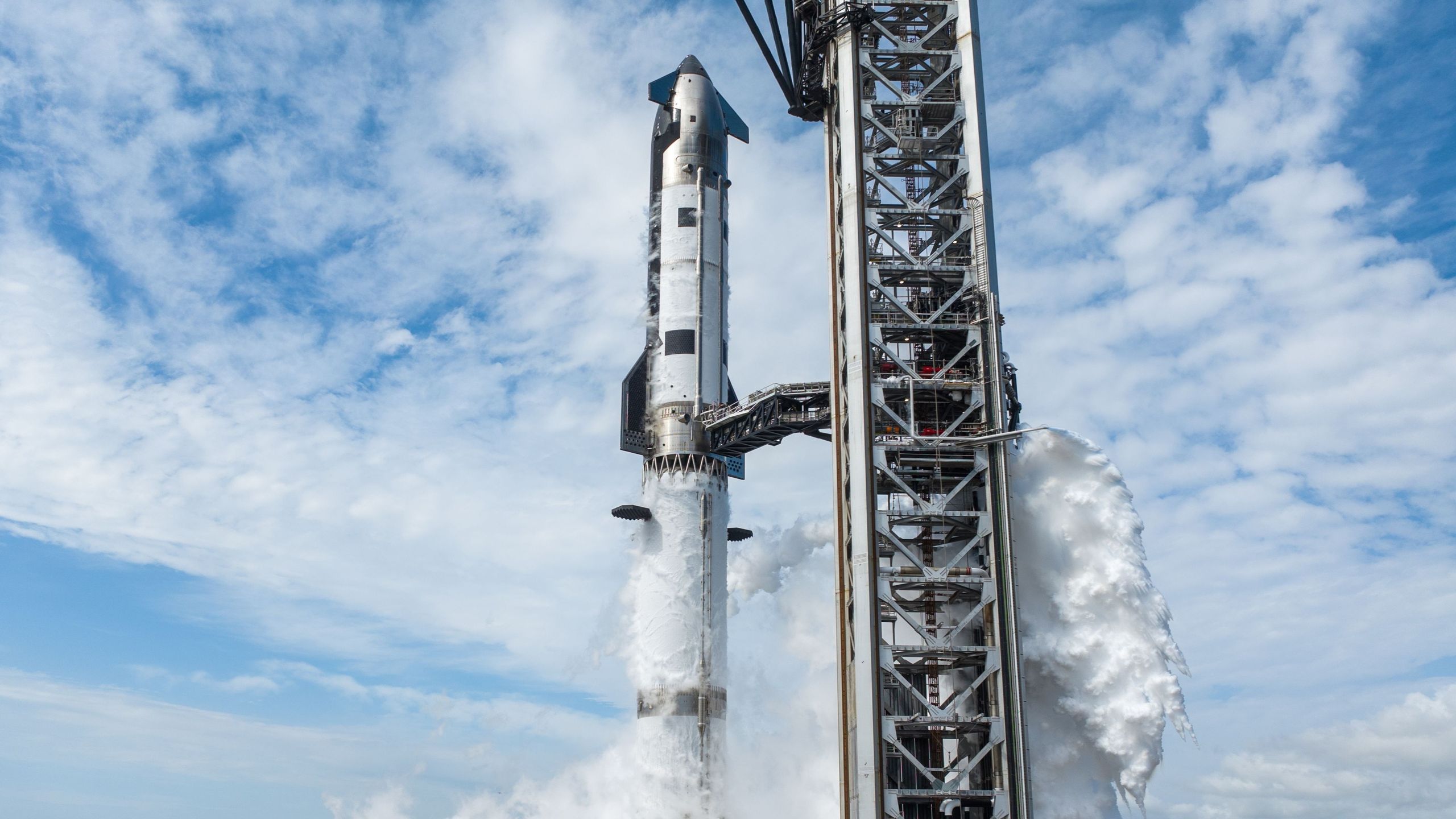
Assuming tests pass, the rocket is rolled out to the launch pad (if not already there). Technicians perform final configurations: fueling systems are connected, payload (if any – for V3 it may be a test payload or no payload) is secured, and telemetry antennas are aligned. The launch pad is prepped for the high-energy exhaust – water deluge systems are tested to prevent damage from acoustic and thermal forces.
Step 5: Countdown Operations
On launch day, the countdown begins several hours ahead. Steps include:
- Tanking: Loading liquid methane and liquid oxygen – cryogenic propellants that require careful handling to avoid thermal stress.
- Final checks: Engineers verify all systems via automated software and manual polls.
- Weather evaluation: Wind, lightning, and cloud cover must meet stringent criteria. Even a slight anomaly can trigger a hold.
- Go/No-Go poll: Key personnel give final approval to proceed.
Step 6: Ignition and Liftoff
Seconds before launch, the Raptor engines ignite in a staggered sequence to reduce stress on the vehicle. The booster’s 33 engines produce over 7,500 tons of thrust, making this the most powerful launch since the Saturn V. As the clamps release, Starship V3 lifts off – the culmination of weeks of intense preparation.
Step 7: Mission Milestones (Ascent and Separation)
Once airborne, the flight computer guides the rocket through critical events:
- Max Q: The point of maximum aerodynamic pressure – the vehicle must withstand intense forces.
- Booster separation: The Super Heavy detaches and attempts a controlled ocean landing (on a drone ship or in the Gulf).
- Upper stage burn: Starship V3 fires its engines to reach orbit (for this maiden flight, likely a suborbital trajectory to test reentry systems).
Step 8: Landing and Recovery
SpaceX aims for reusability. The booster attempts a precision landing, while the Starship upper stage will perform a belly-flop maneuver and land back at the launch site or offshore. This step involves multiple parachutes, engine burns, and landing gear deployment. If successful, it marks a huge milestone for rapid reuse.
Step 9: Post-Flight Data Analysis
After the vehicle is recovered (or wreckage analyzed), SpaceX engineers pore over thousands of data points. Thermal tiles, engine performance, and structural loads are scrutinized. Lessons learned feed into the design of future Starship versions, including upgrades for the V3 variant.
Tips for Following the Launch
- Set up notifications from SpaceX’s official Twitter or YouTube channel for real-time updates. Launch times often shift.
- Watch the static fire test – it’s a good indicator that the rocket is healthy and the launch date is solidifying.
- Check weather forecasts for Boca Chica, Texas; high winds or lightning can delay by days.
- Keep a backup plan – maiden flights have a higher risk of scrubs or anomalies. Enjoy the engineering spectacle regardless of outcome.
- Join online forums like NASASpaceflight or Reddit's r/SpaceX for live discussion and expert insights.
By understanding these steps, you’ll gain a deeper appreciation for the complexity and ambition of SpaceX’s Starship V3 launch – the next giant leap in spaceflight.