AI vs Mom: Can ChatGPT or Gemini Perfect Your French Toast Recipe?
French toast evokes nostalgia, but can artificial intelligence recreate that golden, crispy-sweet perfection your mom used to make? In a head-to-head test, two leading AI assistants—ChatGPT and Gemini—were asked for their best recipe. While both produced edible results, only one nailed the nostalgic crunch. This Q&A explores the experiment, the prompts used, and what it means for AI-assisted cooking.
What prompted the comparison between ChatGPT and Gemini for French toast?
The idea came from a craving for the crispy-sweet French toast of childhood—the kind with a caramelized exterior and soft, custard-like center. Many home cooks turn to online recipes, but what if an AI could deliver the same magic? The test aimed to see whether ChatGPT or Gemini could understand the nuances of a family recipe: the right bread thickness, the perfect egg-to-milk ratio, and the secret to that irresistible crunch. Both AIs were given identical prompts requesting a recipe identical to “my mother’s,” emphasizing crispy edges and moderate sweetness. The responses revealed not just recipe differences but also varying levels of culinary intuition.
How did the prompts differ for each AI?
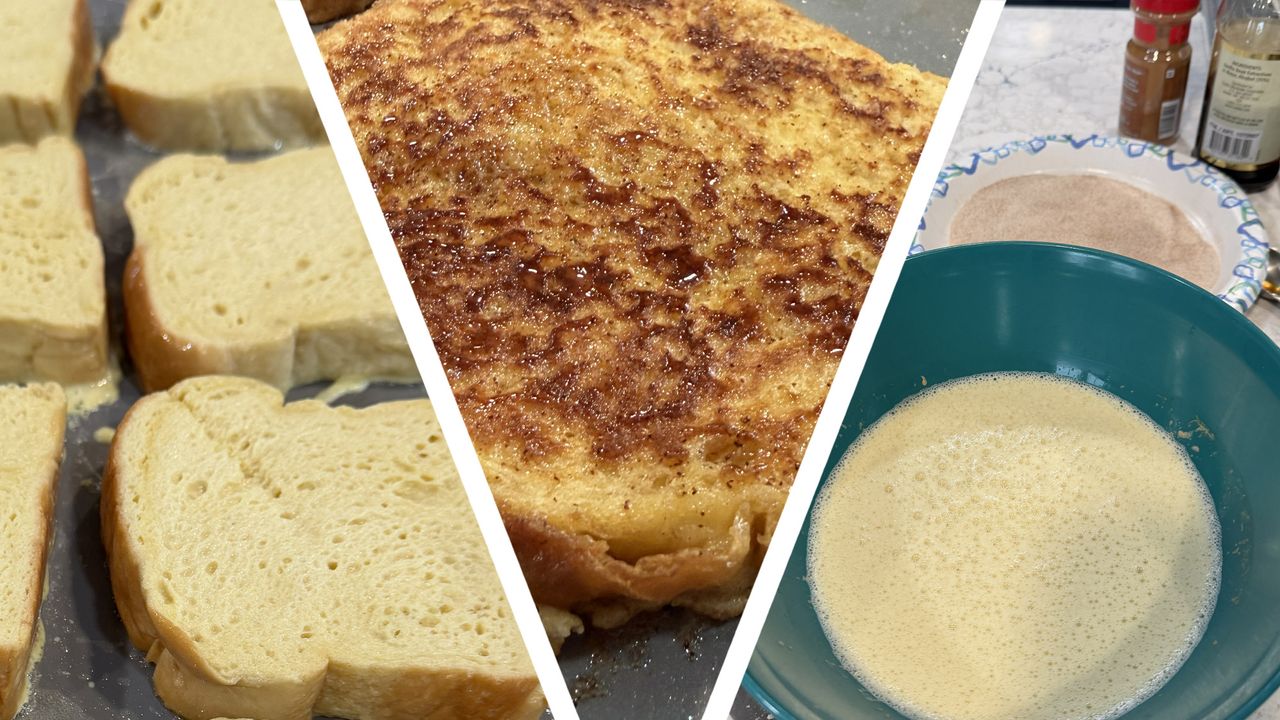
Both received the same initial prompt: “Give me a French toast recipe that tastes just like my mother used to make—crispy on the outside, soft inside, and not too sweet.” However, the AIs interpreted it differently. ChatGPT asked clarifying questions about bread type, pan temperature, and preferred sweetness level before delivering a detailed method. Gemini, in contrast, immediately produced a classic recipe without further interaction. This difference matters: ChatGPT’s interactive style allowed for customization, while Gemini’s one-shot answer was more generic. To get the best result, users should tailor prompts with specifics like “thick-cut brioche,” “medium heat,” and “add a pinch of salt.”
What specific tips did ChatGPT give for achieving a crispy-sweet finish?
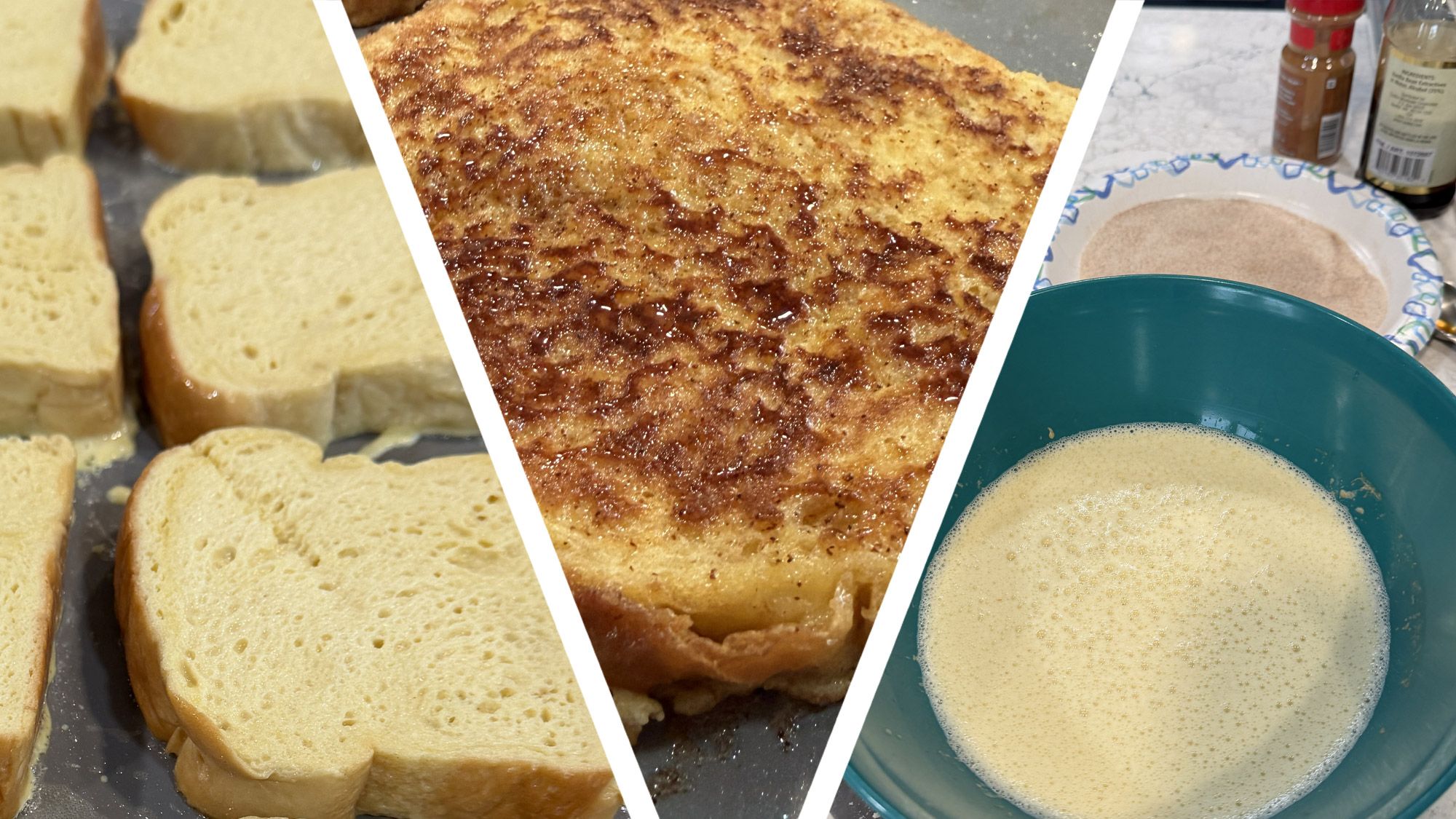
ChatGPT emphasized technique over ingredients. It recommended using day-old challah or brioche sliced 1-inch thick, then soaking each slice for exactly 30 seconds per side in a custard of 2 eggs, ¼ cup milk, 1 tablespoon sugar, and a dash of vanilla. The key to crispiness: pan-searing in butter over medium heat until golden brown, then finishing in a 350°F oven for 5 minutes. For the sweet finish, it suggested a light dusting of powdered sugar and a drizzle of pure maple syrup, but warned against soaking bread too long, which makes it soggy. The result was a French toast with caramelized edges and a tender, custard-filled center—almost exactly like mom’s.
How did Gemini approach the recipe differently?
Gemini’s recipe was more straightforward and traditional. It called for white sandwich bread, 2 eggs, ½ cup milk, cinnamon, and sugar. It instructed to dip bread quickly and fry in oil or butter over medium-high heat. While tasty, the texture was less crispy and more uniformly browned. Gemini didn’t include the oven-finishing step or the specific bread recommendations that gave ChatGPT’s version its signature crunch. The sweetness was also more one-dimensional, relying solely on cinnamon-sugar rather than the layered sweetness of caramelized custard. Overall, Gemini’s approach was simpler but missed the subtle techniques that elevate French toast from good to grandmother-level.
Which AI's version came closest to Mom's French toast, and why?
ChatGPT clearly won the taste test. Its recipe achieved the ideal balance of crispy exterior and soft, almost custard-like interior—the hallmark of home-style French toast. The use of thick, premium bread, the controlled soak time, and the oven finishing step were crucial. Gemini’s version, while decent, lacked that satisfying crunch and had a more uniform, less texturally interesting bite. The difference highlights that AI can replicate complex cooking techniques if prompted correctly. ChatGPT’s ability to ask follow-up questions allowed for a recipe that felt personalized, much like a mother adjusting ingredients on the fly. For those seeking nostalgia, ChatGPT delivered.
What general advice can be learned for prompting AI to replicate family recipes?
To get an AI to recreate a cherished dish, be specific and descriptive. Use sensory details: “crispy golden edges,” “soft pillowy center,” “not too sweet.” Mention preferred bread types (brioche, challah, Texas toast) and cooking methods (pan-fry vs. bake). If possible, engage in a dialogue—AIs like ChatGPT can refine their output based on your feedback. Also, ask for alternatives (dairy-free, gluten-free) if needed. Finally, don’t treat AI as a chef but as an intelligent assistant; you still need to apply human judgment for things like heat control and doneness. With the right prompt, AI can come remarkably close to family recipes, but it requires you to articulate the why behind the cooking.
Can AI truly replicate the 'mother's touch' in cooking?
AI can mimic technical steps, but the “mother’s touch” involves intuition—knowing when the pan is hot enough, how much butter to add, and when to flip. These are sensory skills built over years. AI provides a reproducible blueprint, but it cannot taste or adjust in real-time. Yet, for home cooks who lack that experience, AI can be a powerful guide. The best results come from combining AI’s precise instructions with your own observations. So while ChatGPT or Gemini may not feel like Mom hovering over the stove, they can help you nail that crispy-sweet finish and create memories for the next generation.