Apple's Weekly Scratchpad: Chip Shortage, Orange Ordeal, and Broadway Buzz
Welcome to our weekly roundup of the lighter side of Apple news. This week brought a curious mix of good problems, regulatory tangles, and Broadway glory. From a chip shortage that's actually a sign of success to a trademark dispute over fruit imagery, and Apple TV+'s Schmigadoon! scoring big at the Tony Awards, we've got the stories that made headlines. Plus, we dive into labor disputes in Maryland, encryption demands from Canada, and a massive iCloud lawsuit in the UK. Let's get you caught up before the new week begins.
What chip-related challenge did Apple face this week, and why is it considered a positive problem?
Apple has been grappling with a chip shortage, but unlike most supply chain headaches, this one is a sign of strength. The company's custom M1 series processors have been in such high demand that production can't keep pace. This is a "good issue" because it reflects the massive popularity of Apple Silicon, which has outpaced expectations since its launch. While other tech firms are cutting orders, Apple is scrambling to secure more wafer capacity from TSMC. The shortage primarily affects newer MacBook Air and 13-inch MacBook Pro models, with lead times stretching to several weeks. However, industry analysts point out that this bottleneck is temporary and underscores Apple's successful transition away from Intel chips. It's a problem most competitors would envy — too many customers wanting your cutting-edge products.
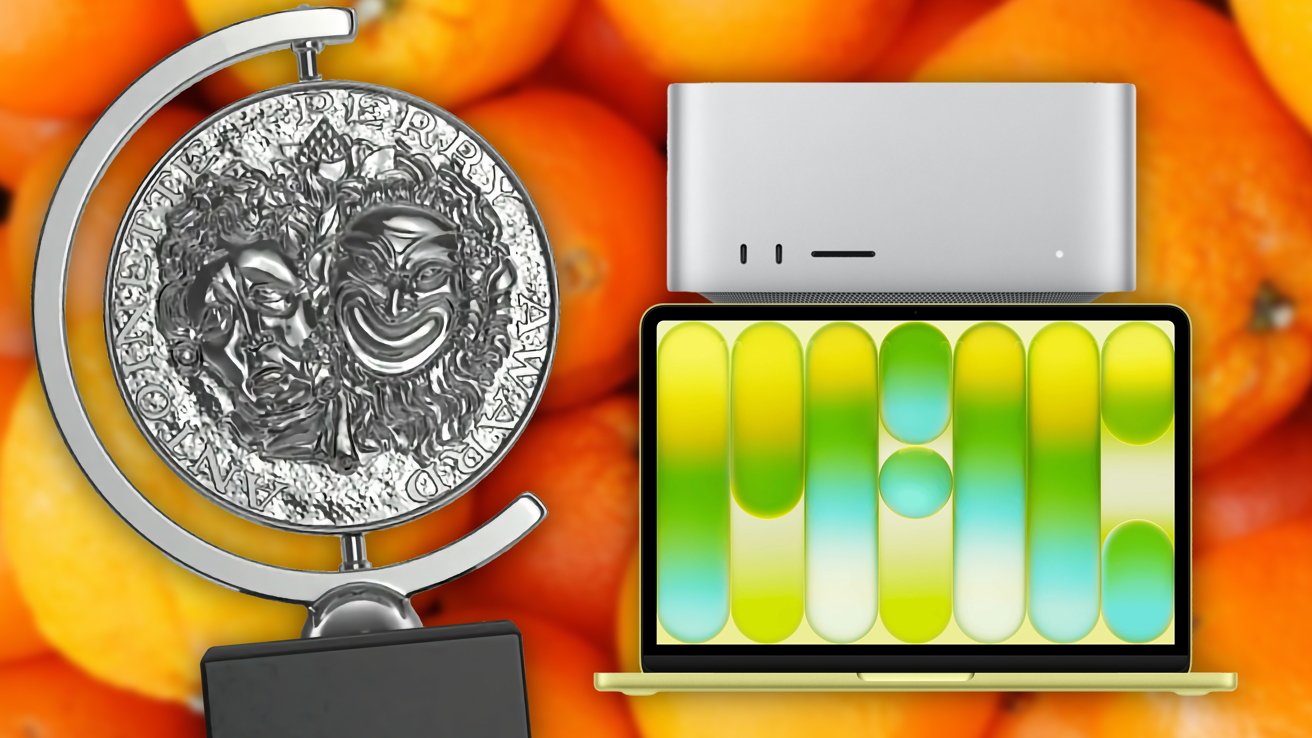
What are the "regulatory comparisons with oranges" mentioned in Apple's weekly news?
The phrase refers to a quirky trademark dispute involving Apple and a small company that uses an orange logo. Regulators are comparing the two fruit-based trademarks to determine if Apple's iconic bitten apple infringes on the orange emblem. The case highlights how trademark law handles similar imagery across different industries. Apple argues that its logo is globally recognized and unlikely to confuse consumers with an orange, while the complainant claims the stylized fruit shapes are too close. This isn't the first time Apple has faced such comparisons; the company has previously clashed with the Beatles' Apple Corps and a Swiss railway clock maker. The outcome could set a precedent for how tech giants defend their brand identity against smaller entities. It's a regulatory fruit salad that legal teams are digesting carefully.
Why did Schmigadoon! earn 12 Tony Award nominations?
Apple TV+'s musical comedy Schmigadoon! took the theater world by storm, scoring a whopping 12 Tony Award nominations. The series, which parodies classic Broadway musicals like The Sound of Music and Oklahoma!, resonated with both critics and audiences for its clever writing, standout performances, and nostalgic charm. Lead actors Cecily Strong and Keegan-Michael Key received nods, along with the show's creative team for direction, choreography, and original score. The nominations highlight Apple TV+'s growing investment in original content, especially in the musical genre. While some purists grumble that a TV show shouldn't dominate theater awards, the Tonys ' eligibility rules allow streaming productions that were 'broadcast' (shown via streaming). This recognition could boost the series' visibility and attract more subscribers to the platform.
What happened with Apple's Towson store and Maryland lawmakers?
Maryland lawmakers have sided with employees of Apple's Towson retail store after the company announced its closure. The store, which had recently unionized under the International Association of Machinists and Aerospace Workers, became a flashpoint in labor disputes. Apple claimed the closure was due to business restructuring, but union representatives argued it was retaliation for organizing. State legislators passed a resolution supporting the workers and urging Apple to reconsider, citing the company's public commitment to fair labor practices. The case has drawn national attention, as it tests the power of unionization in the tech retail sector. Apple has faced criticism for its handling of the situation, with some accusing it of union-busting. The company maintains that the decision was purely operational, though it has not reopened the store. This standoff is likely to escalate as labor movements gain momentum.

Why is Canada pushing Apple to weaken encryption?
Canadian authorities are pressuring Apple to provide backdoor access to encrypted communications on its devices, citing national security concerns. The demand stems from a high-profile criminal investigation where law enforcement claims they cannot access crucial data on suspects' iPhones. Apple has firmly resisted, arguing that any weakening of encryption would create vulnerabilities that hackers and oppressive regimes could exploit. The company points to its longstanding commitment to user privacy, especially after the 2016 San Bernardino case. Canadian privacy advocates have rallied behind Apple, warning that a backdoor would set a dangerous precedent. The debate echoes similar battles in the US, UK, and Australia, where governments have sought to compel tech companies to assist in surveillance. So far, Apple has stood its ground, but the legal showdown may force a compromise that redefines digital privacy rights in Canada.
What is the $4.1 billion iCloud lawsuit in the UK, and why did Apple fail to reduce its scope?
A UK class-action lawsuit accuses Apple of overcharging millions of iCloud users by locking them into its storage service. The claim, seeking $4.1 billion, argues that Apple's restrictive ecosystem makes it nearly impossible to back up iPhones and iPads using third-party services, effectively giving iCloud an unfair monopoly. Apple attempted to have the case dismissed or its scope narrowed, arguing that the damages were speculative and that the suit didn't account for the free tier. However, a UK tribunal ruled that the claims had enough merit to proceed, denying Apple's motion. The decision means the case will move to trial, where Apple will have to defend its business practices. If successful, the payout could be distributed among roughly 40 million UK users. This lawsuit adds to Apple's growing antitrust challenges worldwide, particularly around its App Store and services revenue.