10 Surprising Truths About the Suffering for CSS ::nth-letter
For years, web designers have fantasized about a CSS selector that could target individual letters without resorting to JavaScript or extra markup. The promise of ::nth-letter has been dangled like a carrot, only to remain out of reach. Yet, as we’ll discover, the impossible isn’t quite as impossible as it seems. Buckle up for a journey through frustration, clever hacks, and a twist that will make you rethink what CSS can really do.
1. The Dream: A Selector for Every Letter
Every designer who has ever wanted to style each letter of a headline differently has muttered, “If only there were a ::nth-letter selector.” It feels so natural—we already have ::first-letter for drop caps, so why can’t we apply the same logic to any letter? The idea would let you apply unique colors, transforms, or animations to the first, second, third… even every odd or even letter, all without altering your HTML. This is the holy grail of typographic control, and CSS has been teasing us with its absence since the early 2000s.
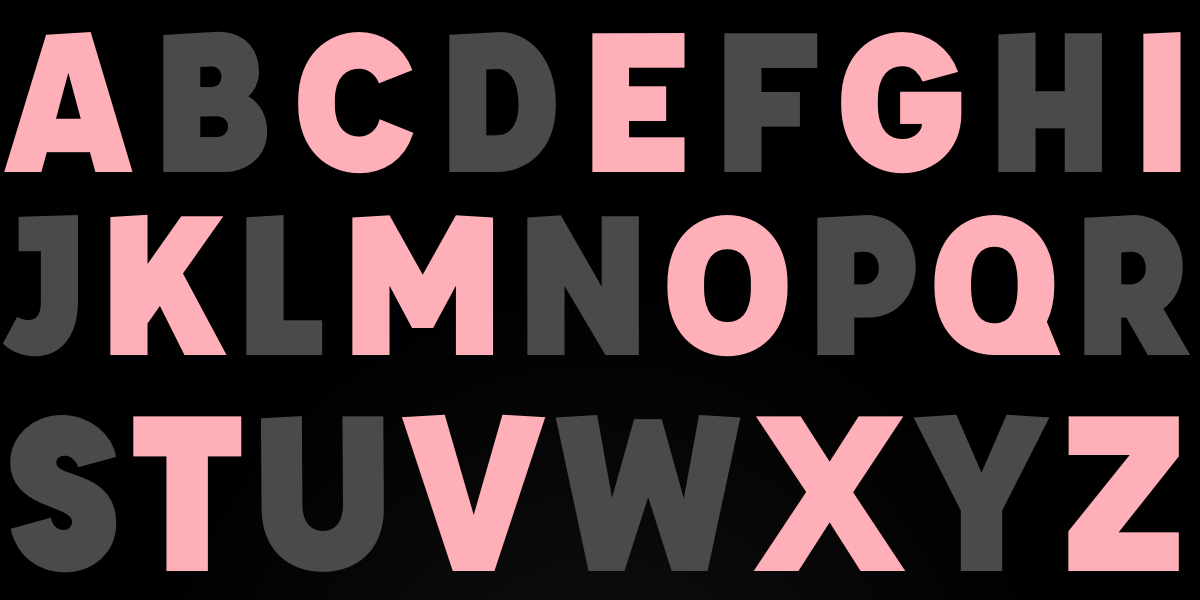
2. Why We Need It: Typographic Magic Without JavaScript
Imagine a headline where each letter has a different background color, or a word that bends and skews like a rollercoaster. With ::nth-letter, you could achieve effects like kinetic typography directly in CSS. No need to wrap each letter in a <span> or write complex JavaScript loops. It would be as simple as:
h1.fancy::nth-letter(even) { transform: skewY(15deg); background: #C97A7A; }This is the kind of power that keeps designers awake at night—and frustrated when they remember it doesn’t exist.
3. CSS Has Been Teasing Us Since 2017
The CSS Working Group has talked about a CSS Parser API for years, promising that developers could eventually create their own custom syntax. The API would make polyfills like ::nth-letter possible natively. But like a childhood friend who keeps cancelling plans, CSS has yet to deliver. The eighth anniversary of that promise came and went, and we’re still waiting. This constant “maybe next year” attitude has driven many to look for workarounds—or to swear off CSS altogether.
4. Chris Coyier’s Hypothetical Example from 2011
Back in 2011, CSS legend Chris Coyier imagined a world where you could write h1.fancy::nth-letter(n) { display: inline-block; } and then use even and odd to create a checkerboard of skew and color. His example became a touchstone for what could be possible. Unfortunately, it remained a thought experiment—until now, as we’ll see later. But for over a decade, that demo sat as a painful reminder of what we’re missing.
5. Demos That Work (But Not With Real CSS)
Here’s where it gets interesting. I created a CodePen that uses ::nth-letter syntax, and it works. Check it out (link below). But wait—if that selector doesn’t exist, how is it working? The answer: it’s a polyfill written in JavaScript that tricks the browser into applying styles based on letter indexes. The code looks like real CSS, but behind the scenes, a script parses the stylesheet and applies them inline. It’s a convincing illusion, and my eight‑year‑old can even use it!
6. The Polyfill That Made the Impossible Possible
Yes, reliable CSS polyfills are notoriously hard to write—Philip Walton of Google tried and gave up, earning the nickname “Polyphil” along the way. But his abandoned framework still works, and with a few tweaks, we can make ::nth-letter a reality. The polyfill approach has limitations: it won’t work in every edge case, and it adds a dependency. But for prototyping or design systems, it’s a game‑changer. You can finally use that syntax you’ve dreamed about, even if it’s not native.
7. How the Text Vortex Effect Becomes Pure CSS
Take my earlier text vortex scrolling effect—originally built with JavaScript to apply transforms to each letter. With the ::nth-letter polyfill, that JavaScript vanishes. Now I can write:
.vortex::nth-letter(n) { transform: rotate(calc(var(--sibling-index) * 10deg)); }Using the new sibling-index() function (Chrome/Safari only), we can create dynamic, letter‑by‑letter animations. The result is smoother, more maintainable, and entirely CSS—except for the tiny polyfill script that makes it all possible.
8. Elastic Hover Effects Without Extra Spans
Temani Afif created a beautiful direction‑aware elastic hover effect that required wrapping each letter in a <span>. It worked, but the markup was bloated. With ::nth-letter, we can write the exact same effect in CSS, targeting each letter directly. The hover over a word now feels organic, with letters stretching and snapping as the cursor moves. No more <span> every three seconds—just clean CSS and a polyfill.
9. The Brutal Truth: It’s Still Not Native
Let’s be honest: all these demos rely on a hack. They use a JavaScript polyfill that parses your stylesheet and applies inline styles to each letter. It’s clever, but it’s not true CSS. The browser doesn’t understand ::nth-letter; it’s been rewritten into a series of nth-child selectors on invisible <span> elements inserted by the polyfill. This means the polyfill adds extra DOM nodes and can conflict with other scripts. For production, you need to test thoroughly—or wait for the CSS Working Group to finally deliver.
10. What the Future Holds: A CSS Parser API
The real solution lies in the CSS Parser API, which would allow us to extend CSS with new selectors like ::nth-letter without browser buy‑in. The spec is still in draft, but interest is growing. Until then, polyfills are our best friend—or worst enemy, depending on your reliability standards. But remember, the fact that we can even approximate ::nth-letter is a testament to the creativity of the web community. We’ve turned a pipe dream into a workable prototype. Now we just need the W3C to catch up.
So, is ::nth-letter really nonexistent? In native CSS, yes. But thanks to some clever JavaScript tinkering, you can use it today—and impress your friends with twisting, color‑shifting, hover‑responsive typography. The era of letter‑level styling might be here earlier than we thought, even if it’s wearing a clever disguise.