Ditch Your Microsoft 365 Subscription: A Step-by-Step Guide to Switching to Free Open-Source Tools
Introduction
Are you tired of paying for a Microsoft 365 subscription that you barely use? You're not alone. Many people find themselves paying for features they never touch, while perfectly capable free and open-source alternatives exist for nearly everything Microsoft offers. This guide will show you how to break free from that recurring cost, using the real-world example of replacing Microsoft Word with Obsidian. By the end, you'll have a clear plan to transition to a suite of powerful, no-cost tools that respect your privacy and your budget.
What You Need
- A computer (Windows, macOS, or Linux) with internet access
- Your current Microsoft 365 documents and data ready for backup
- An email account (to sign up for open-source apps if required)
- Patience and a willingness to learn new software
- Basic file management skills
Step-by-Step Guide
Step 1: Audit Your Microsoft Usage
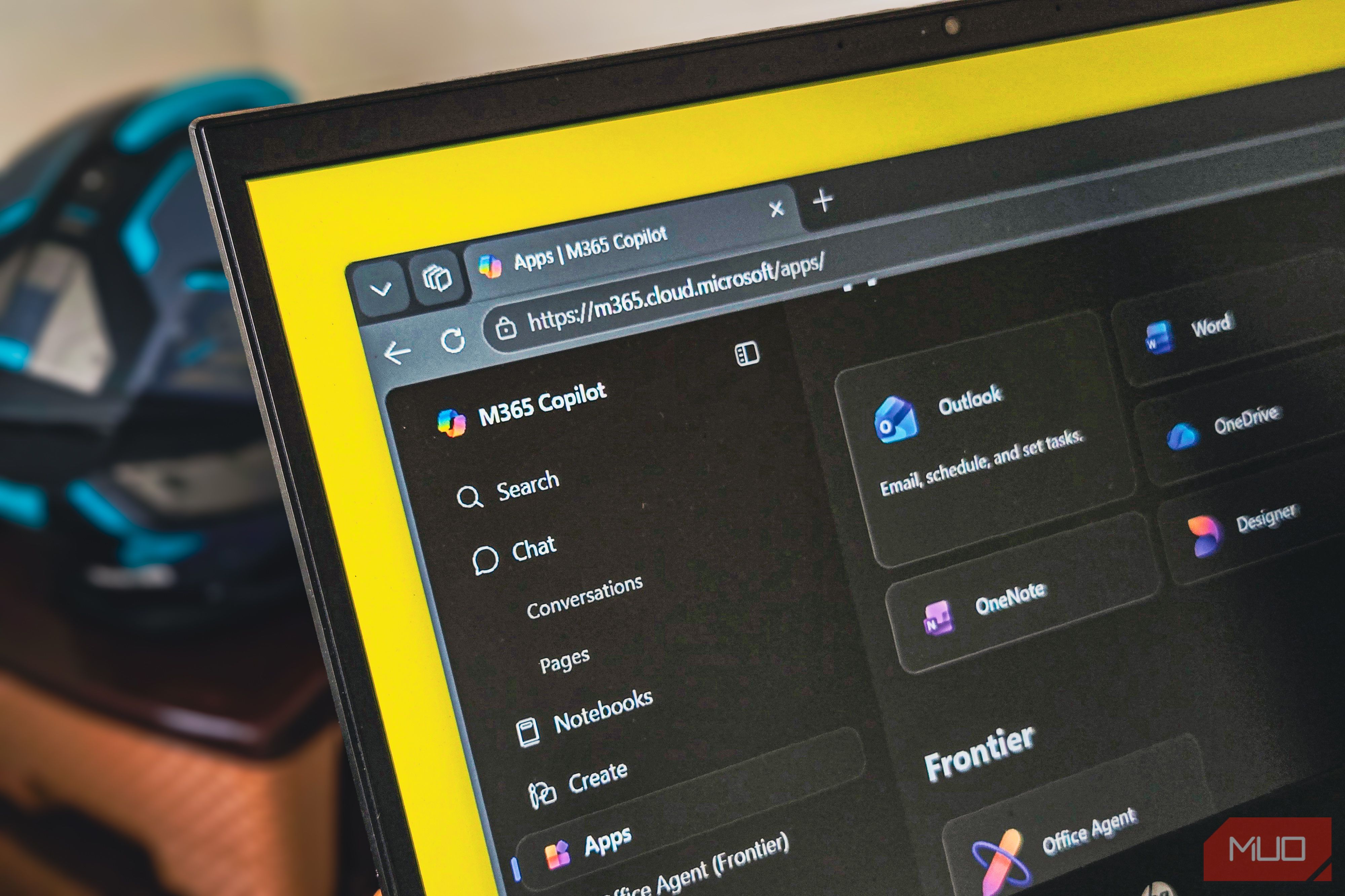
Before you cancel anything, take a week to honestly track which Microsoft 365 apps you actually open. Are you using Word daily, or is it gathering digital dust? The key fact from the original article is that the author realized they weren't using the subscription to its fullest—for example, they hadn't opened Word in months. Make a list of the apps you rely on (e.g., Word, Excel, Outlook, OneDrive) and rate how often you use each one. This step helps you focus only on what needs replacing.
Step 2: Research Open-Source Alternatives
For every Microsoft app you need, there is likely a free, open-source equivalent. Based on the example provided, Word can be replaced by Obsidian (a Markdown-based note-taking app) or by LibreOffice Writer if you need full document compatibility. Other popular swaps include:
- Excel → LibreOffice Calc or Gnumeric
- Outlook → Thunderbird (with calendar add-ons)
- OneDrive → Nextcloud (self-hosted) or Syncthing
Spend an afternoon exploring each option. Download trial versions to see how they feel. Obsidian, for instance, works differently from Word—it's great for writing and organizing notes, but not for complex page layouts. Know the strengths and weaknesses before committing.
Step 3: Migrate Your Data
Once you've chosen your replacement, start moving your files. For Word documents being migrated to Obsidian, you have two paths:
- Convert to Markdown using tools like Pandoc. This strips complex formatting but preserves text and structure.
- Keep original .docx files and link them from Obsidian if you don't need full conversion.
For other apps, export data using standard formats (e.g., CSV for spreadsheets, .ics for calendars) and import into the new tool. Back up everything before deletion. This step is crucial—don't lose your work!
Step 4: Test Your New Workflow
Run a parallel trial for two weeks. Keep your Microsoft subscription active while you test the open-source tools. Do they meet your daily needs? Are there any missing features you absolutely require? The original author's experience shows that after switching to Obsidian, they never needed Word again. Use this time to adjust your habits—learn keyboard shortcuts, explore community plugins, and customize the software to suit you.
Step 5: Cancel Microsoft 365
Once you're confident the new tools can replace your subscription, go ahead and cancel. Turn off auto-renewal, back up any remaining data in OneDrive or Outlook, and uninstall the Microsoft apps if you wish. You'll save money immediately. Remember, you can always re-subscribe if things go wrong, but with the right preparation, you likely won't need to.
Tips for a Smooth Transition
- Start small. Replace one app at a time. If you switch everything at once, you may get overwhelmed. The author almost certainly started with Word alone.
- Embrace the learning curve. Open-source apps often have different interfaces. Spend a few hours watching tutorials—the community usually provides excellent documentation.
- Check file compatibility. If you collaborate with others who still use Microsoft Office, test how your open-source documents look after conversion. LibreOffice works well for most cases.
- Use export/import tools. Many open-source projects offer migration helpers. For example, Obsidian has community plugins to import from Word or Evernote.
- Keep your data offline-first. Open-source tools often prioritize local storage, giving you more control. Pair with a free sync service like Syncthing for cross-device access.
- Don't be afraid to try multiple options. If Obsidian doesn't click for you, try Zettlr, Logseq, or even plain LibreOffice. The flexibility is the biggest advantage of open source.