How to Ditch Samsung's Edge Panel for a Minimalist App Launcher (Pixel-Style)
Overview
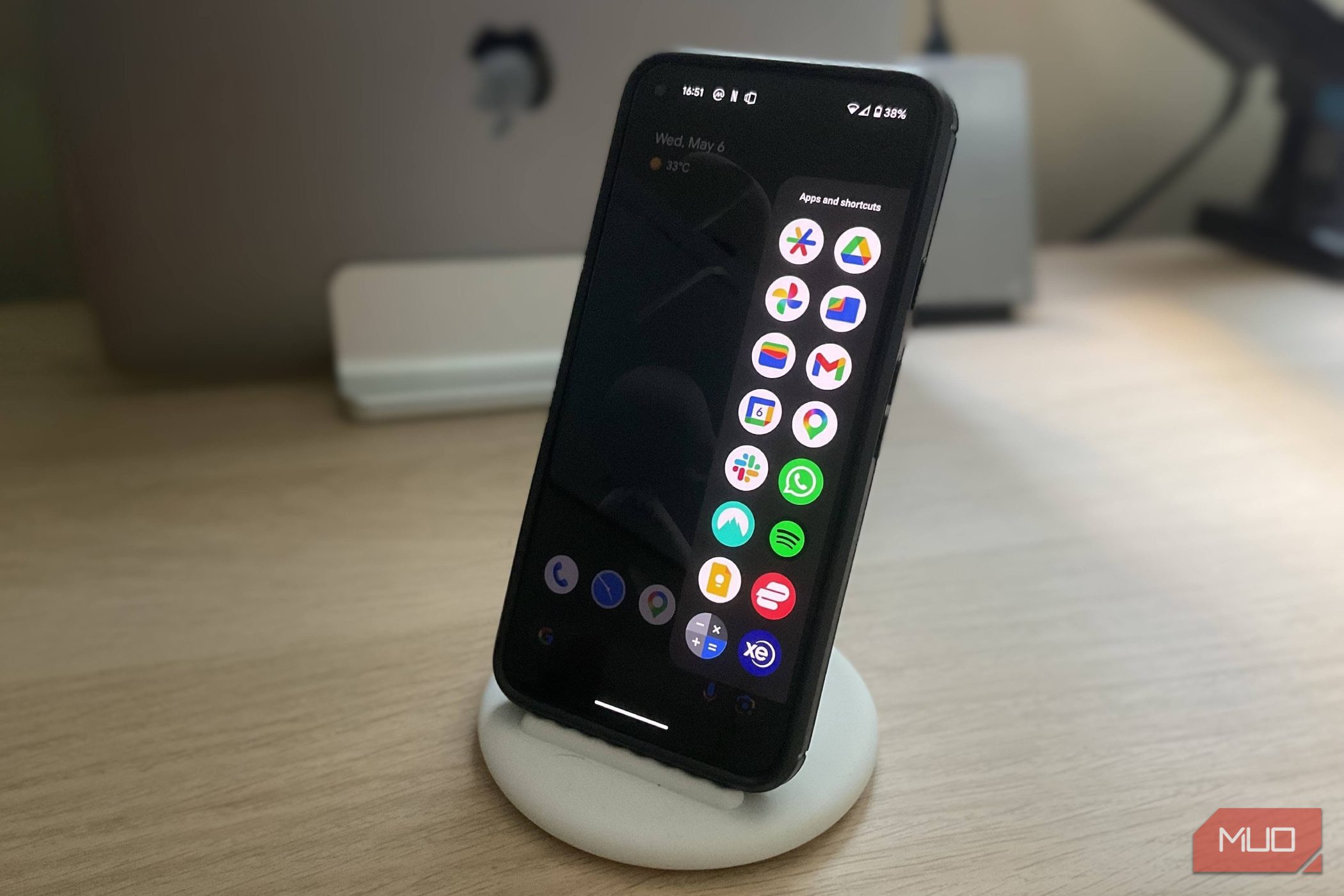
For years, Samsung's Edge Panel has been the go-to sidebar launcher on Galaxy devices, offering quick access to apps, tools, and shortcuts. But after three years of exclusive Samsung use, one user switched to a Google Pixel and discovered a cleaner, more purposeful experience. The good news? You don't need a new phone to get that same minimalist feel. With the right third-party app, you can replace Samsung's sidebar launcher with something that's actually more intuitive—and some might argue, better. This guide walks you through choosing, installing, and configuring a replacement app that mimics the Pixel's streamlined sidebar, giving you a clutter-free interface while retaining your favorite shortcuts.
Prerequisites
- A Samsung Galaxy phone running One UI 4.0 or later (Android 12+)
- USB debugging enabled (optional, for advanced customization)
- At least 100 MB of free storage
- A stable internet connection for downloading apps
- Basic familiarity with Android settings
Step-by-Step Instructions
Step 1: Choose Your Replacement App
Not all sidebar launchers are created equal. The app we'll focus on is Niagara Launcher, known for its minimalistic design and optional sidebar that feels a lot like the Pixel's app drawer. You can also consider Smart Launcher or Lawnchair Launcher—but for this guide, we'll use Niagara because it's lightweight and requires no root.
Tip: Download the app from the Google Play Store to avoid security risks.
Step 2: Disable Samsung's Edge Panel
Before installing the new launcher, it's wise to turn off the default Edge Panel to avoid conflicts:
- Open Settings > Display > Edge screen.
- Toggle off Edge panels.
- Alternatively, go to Settings > Advanced features > Side key and ensure it's not triggering Edge Panel.
Step 3: Install and Set Up Niagara Launcher
- Open the Play Store and install Niagara Launcher.
- Launch the app and tap Set as home app.
- Choose Niagara Launcher from the list (you may need to tap Always to make it default).
Step 4: Activate the Sidebar (App Drawer)
By default, Niagara opens an alphabetical app list when you swipe right. To get a sidebar similar to the Pixel's:
- Swipe up from the bottom to open the app drawer.
- Tap the three-dot menu (top right) and select Settings.
- Scroll to Gesture & navigation.
- Enable Swipe from left edge and choose Open app drawer.
- Optionally, set the Swipe from right edge to open a custom sidebar—like a Favorites tray or Pop-up widget.
Step 5: Customize Your Sidebar
To replicate the Pixel's minimalism, add only essential apps:

- Long-press any empty area on the home screen.
- Tap Pop-up widget or Add shortcut to place apps into the sidebar.
- For a true Pixel feel, use the At a Glance widget (available in Niagara's widget options).
Step 6: Fine-Tune with Advanced Options
If you want to remove the search bar or change the color scheme:
- Go to Settings > Appearance.
- Toggle Show search bar off for a cleaner look.
- Choose a dark theme to match Samsung's One UI dark mode.
For power users: enable Developer options in Niagara to tweak animations, icon packs, and more.
Step 7: Test and Tweak
Use your phone normally for a day. If the sidebar feels laggy or unresponsive, adjust the gesture sensitivity in Settings > Gesture & navigation.
Common Mistakes
Not Disabling the Original Edge Panel
If you keep Samsung's Edge Panel active, both launchers may compete, causing unintended pop-ups. Always disable it first (Step 2).
Choosing the Wrong App
Not all launchers support a true sidebar. Avoid apps like Nova Launcher unless you use third-party gesture apps. Stick with Niagara or Smart Launcher for out-of-the-box sidebar functionality.
Overcomplicating the Setup
Don't add too many apps to the sidebar—it defeats the minimalist purpose. Limit yourself to 5–7 frequently used apps.
Ignoring Battery Impact
Some launchers can drain battery if poorly optimized. Niagara is lightweight, but if you notice increased drain, check the app's battery usage in Settings > Device care.
Summary
By replacing Samsung's Edge Panel with a minimalist launcher like Niagara, you can achieve the seamless, purposeful feel of a Pixel phone without buying new hardware. The process involves disabling the default sidebar, installing a third-party launcher, and customizing the gestures to create a clean, efficient app drawer. The result is a distraction-free interface that saves time and reduces clutter—exactly what many Samsung users crave after years of bloatware.