Chatting with Your Ad Campaigns: How We Built a Conversational Interface for Spotify Ads with Claude
In the world of digital advertising, managing campaigns often requires navigating complex APIs and dashboards. Spotify Engineering recently tackled this challenge by creating a natural language interface for the Spotify Ads API. Instead of writing code or memorizing endpoints, ad managers can now simply chat with the system. This innovative tool leverages Claude Code Plugins to convert OpenAPI specifications and Markdown documentation into a conversational experience—all without compiling a single line of code. In this Q&A, we explore how this was accomplished, the technology behind it, and what it means for the future of ad management.
What exactly did Spotify Engineering build?
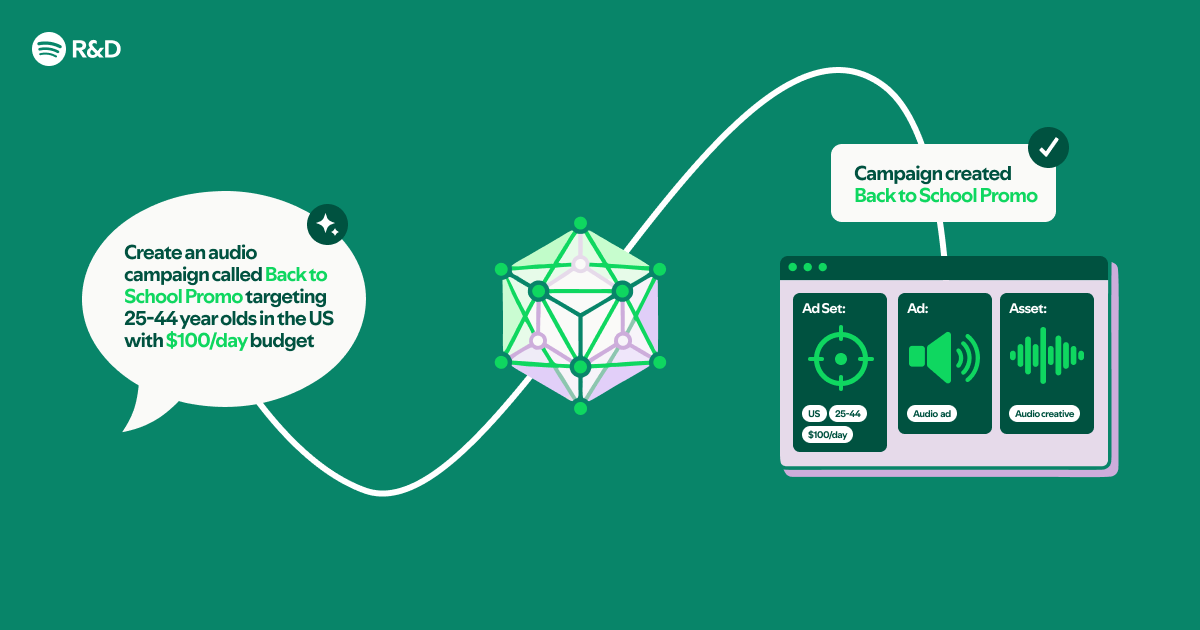
Spotify Engineering developed a natural language interface for their Ads API. This interface allows users to interact with ad campaigns using plain English commands instead of traditional API calls. For example, an advertiser could say, “Pause my weekend promotion for the UK market,” and the system translates that request into the appropriate API operations. The entire interface is powered by Claude Code Plugins, which enable the AI to read and interpret OpenAPI specifications and Markdown documentation files. Remarkably, no compiled code was required; the tool dynamically generates the necessary interactions based on the API specs. This project demonstrates a new way to make complex advertising tools more accessible to non-technical users.
Why did Spotify choose Claude Code Plugins for this project?
Claude Code Plugins offered a unique combination of natural language understanding and developer-friendly integration. The plugins can directly consume OpenAPI spec files, which describe every API endpoint, its parameters, and expected responses. Additionally, they ingest Markdown documentation that explains use cases and best practices. By feeding this data into Claude, the system learns the full capabilities of the Ads API without manual coding. The plugins also handle context retention, allowing multi-step conversations where users can refine their ad settings. Spotify selected Claude because it reduces the development overhead typically needed for such interfaces. Instead of building a complex parser, they let Claude do the heavy lifting. This choice aligns with their goal of rapid prototyping and minimal code maintenance.
How does the natural language interface work under the hood?
The system follows a simple yet powerful pipeline. First, the Claude Code Plugin reads the OpenAPI specification file, which contains a machine-readable description of every API endpoint (e.g., /campaigns/create). It also parses Markdown documents that provide examples and usage notes. When a user asks a question, Claude interprets the intent and maps it to the appropriate API operation. For instance, if someone says, “Increase my Q3 budget by 15%,” the plugin identifies the update campaign budget endpoint, validates the required parameters (campaign ID, budget amount), and formats the API request. The response is then translated back into natural language. All of this happens in real time, without any precompiled logic. The tool also maintains context across turns, so users can ask follow-up questions like, “What’s the new daily cap?” This approach turns a static API spec into a dynamic conversational agent.
What role do OpenAPI specs and Markdown files play?
OpenAPI specs are the backbone of the interface. They provide a standardized, machine-readable description of the Spotify Ads API, including all endpoints, request methods, parameters, and response formats. Without these specs, Claude would have no structured way to understand the API’s functionality. Markdown files complement the specs by adding human-readable context: examples, explanations of edge cases, and best practices. Together, they create a rich knowledge base that the Claude Code Plugin uses to answer questions correctly. For this project, Spotify converted existing API documentation into Markdown and pointed the plugin to both the OpenAPI spec and the Markdown files. This dual input ensures the AI not only knows the technical details but also understands the intended usage patterns. The result is a conversational tool that behaves as an expert on the Ads API.

What benefits does this interface bring to ad managers?
Ad managers, especially those without a programming background, can now interact with their campaigns conversationally. Instead of logging into a dashboard and clicking through menus, they can type or speak commands in plain English. This speeds up routine tasks like adjusting budgets, pausing ads, or pulling performance reports. The system also reduces errors because Claude validates the input against the API specs before making changes. Moreover, the natural language interface allows managers to ask complex questions, such as “Show me the conversion rate for last week’s campaign in Germany,” and get immediate answers. By lowering the technical barrier, Spotify enables more team members to directly manage advertising operations, fostering greater agility and collaboration. The tool effectively democratizes access to the Ads API, turning it into a team-friendly resource.
What future possibilities does this approach open up?
This project is just the beginning. Spotify sees potential for extending the interface to other internal APIs, creating a unified conversational platform for various business operations. Developers can reuse the same method—feeding OpenAPI specs and Markdown to Claude—to build natural language interfaces for any API. This could include product management, data analytics, or content moderation tools. Additionally, the approach could evolve to support multi-modal interactions, such as voice commands or integration with chat applications like Slack. The lack of compiled code also means that updates to the API spec can be applied instantly: regenerate the OpenAPI file and the interface automatically adapts. This zero-code principle makes maintenance trivial. Ultimately, Spotify’s work with Claude Code Plugins points toward a future where talking to your software is as natural as talking to a colleague.