Sharing the American Dream: A Path Forward with Guaranteed Minimum Income
In a powerful speech at Cooper Union's Great Hall, Lieutenant Colonel Alexander Vindman and I explored the evolving meaning of the American Dream during these turbulent times. Drawing from James Truslow Adams' 1931 definition and personal reflections, we introduced a vision for sharing prosperity—a 'Pledge to Share the American Dream' that goes beyond charity to advocate for a Guaranteed Minimum Income. This Q&A breaks down key insights from that conversation.
1. What is the American Dream according to James Truslow Adams?
James Truslow Adams first coined the term 'American Dream' in 1931, amid the Great Depression. He described it as 'a land in which life should be better and richer and fuller for everyone, with opportunity for each according to ability or achievement.' Crucially, he emphasized it was not about material wealth like motor cars or high wages, but rather 'a dream of social order in which every man and every woman shall be able to attain to the fullest stature of which they are innately capable, and be recognized by others for what they are, regardless of the fortuitous circumstances of birth or position.' This definition frames the Dream as a promise of equal opportunity and self-realization.
2. How did a high school play about The Outsiders reshape your view of the Dream?
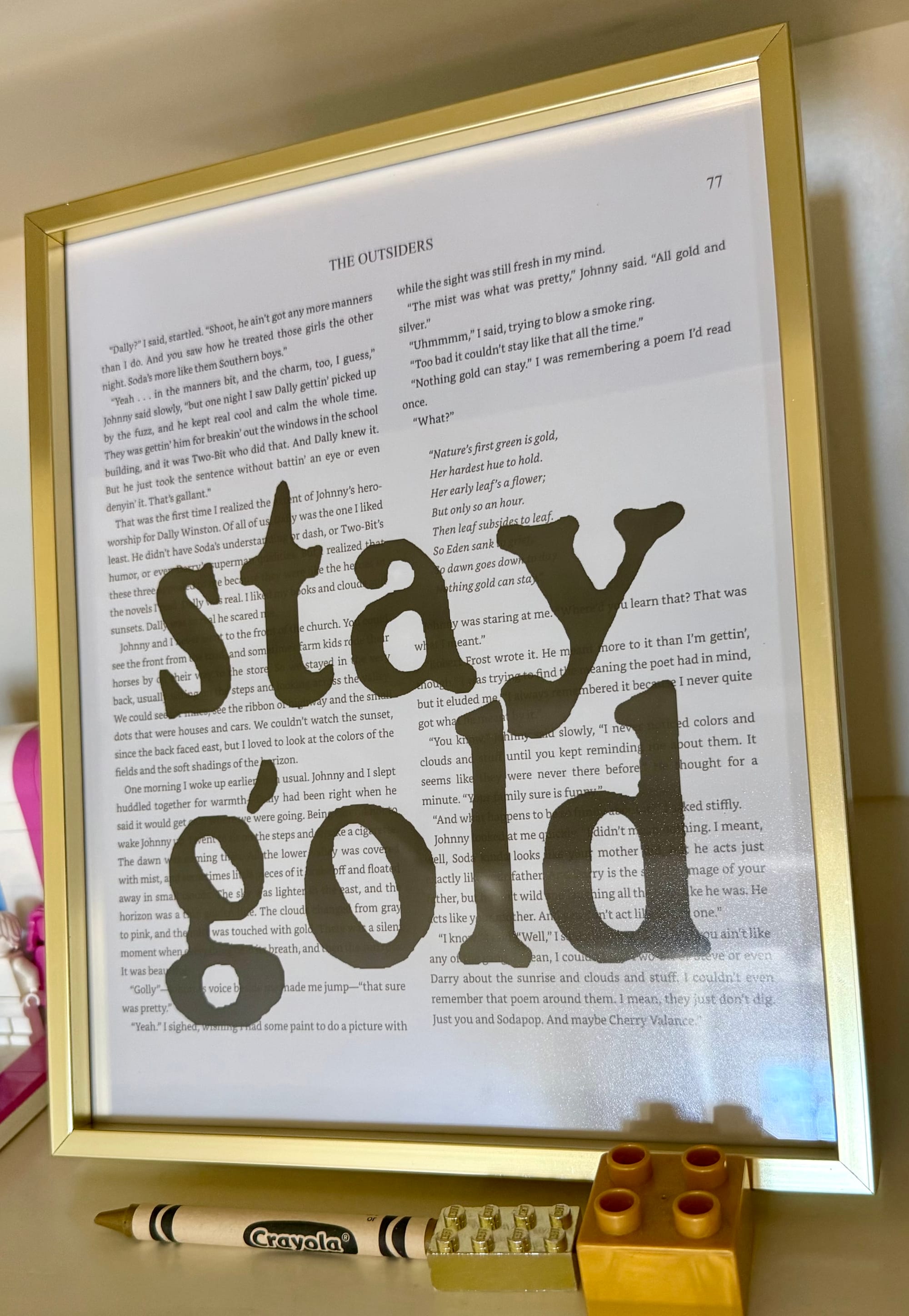
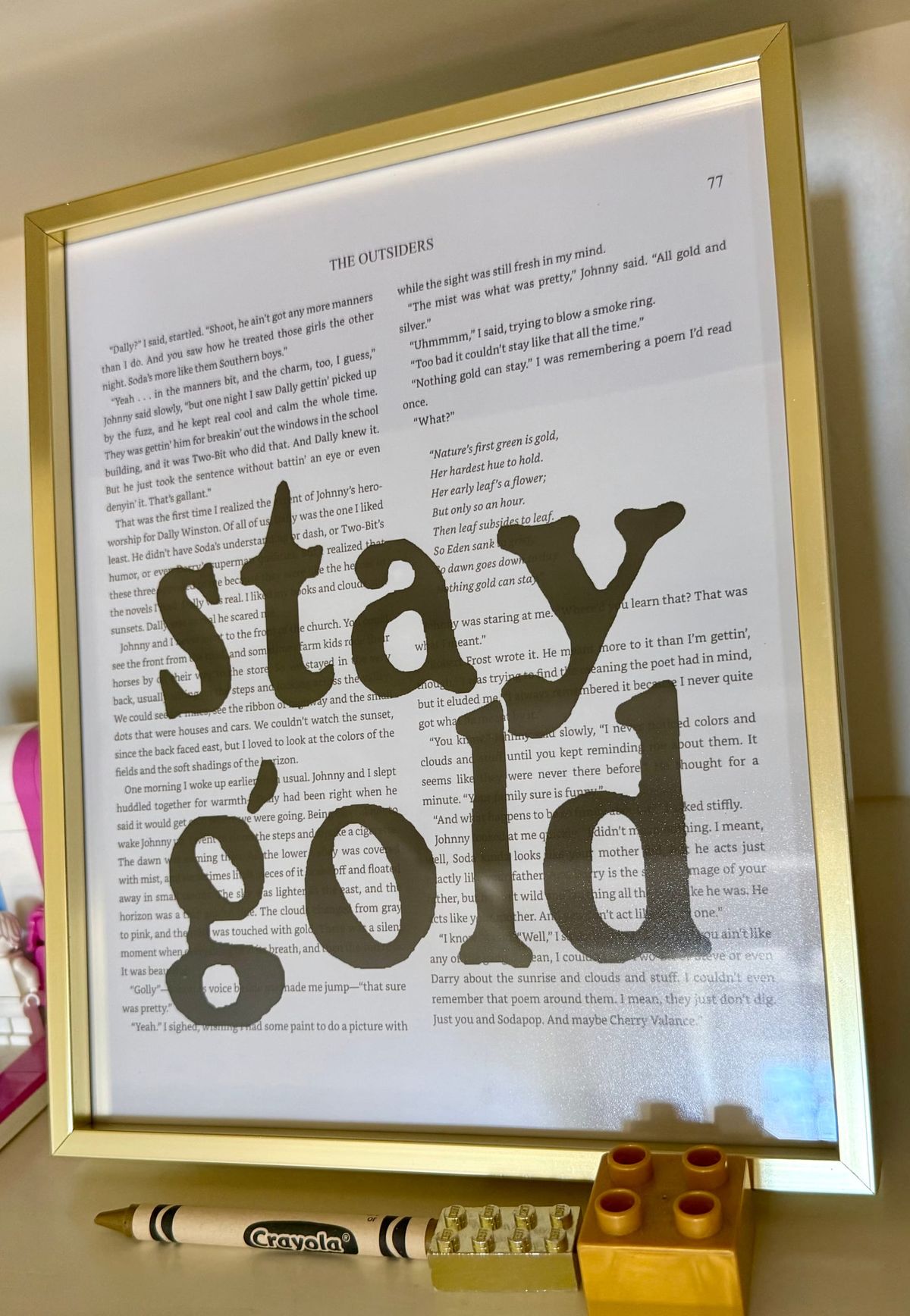
At my son's public high school, I watched a theater adaptation of S.E. Hinton's The Outsiders. I only knew the famous line 'stay gold' from the film. But seeing the complete story performed by teenagers, I realized 'stay gold' means sharing the American Dream. The Dream is incomplete until we actively share it with others. This act of sharing—of helping our fellow citizens reach their fullest potential—is the final realization of everything the Dream stands for. It's not enough to achieve personal success; we must extend that opportunity to all.
3. What was the 'Stay Gold, America' essay and the Pledge to Share the American Dream?
Inspired by The Outsiders, I published an essay titled 'Stay Gold, America' on January 7th. It included a formal 'Pledge to Share the American Dream.' The Pledge has two parts: a short-term, immediate relief component and a long-term, structural second act. The short term involved direct donations to nonprofits addressing urgent needs. But the Pledge emphasizes that temporary fixes are insufficient; we need deeper, systemic changes—specifically, a Guaranteed Minimum Income—to truly fulfill the Dream for every American.
4. What short-term actions did the Pledge take?
For the short-term part of the Pledge, our family made eight one-million-dollar donations to these nonprofit groups: Team Rubicon, Children's Hunger Fund, PEN America, The Trevor Project, NAACP Legal Defense and Educational Fund, First Generation Investors, Global Refuge, and Planned Parenthood. We also donated additional millions to strengthen America's technical infrastructure: Wikipedia, The Internet Archive, The Common Crawl Foundation, Let's Encrypt, pioneering independent internet journalism, and crucial open source software projects that power much of the world. These immediate grants addressed hunger, legal defense, mental health, disaster relief, and digital public goods.
5. Why are short-term fixes not enough?
While emergency donations help people in crisis, they do not eliminate the root causes of inequality. The American Dream requires a society where everyone has a baseline economic floor. Short-term charity can alleviate symptoms but cannot guarantee that no one is left behind due to job loss, disability, or automation. Without a systemic safety net, the 'fortuitous circumstances of birth' still determine destiny. That's why the second act of the Pledge calls for a Guaranteed Minimum Income—a regular, unconditional cash payment to every citizen—to ensure everyone can 'attain to the fullest stature of which they are innately capable.'
6. What is the second act of the Pledge?
The second act of the Pledge to Share the American Dream is the most ambitious: establishing a Guaranteed Minimum Income (GMI) for all Americans. Also called a universal basic income, GMI would provide a regular, unconditional payment sufficient to cover basic needs. This is the 'road not taken' in our current economic system. It would eliminate poverty traps, support caregivers, entrepreneurs, and creative workers, and give everyone the security to pursue their innate capabilities. By making GMI a reality, we move from charitable sharing to structural sharing, fulfilling the Dream's promise of equal opportunity for all, regardless of birth or position.
7. How can other Americans contribute now?
I encourage every American to contribute soon, however they can, to organizations they feel are effectively helping those most in need. You can donate to any of the nonprofits mentioned above or others that align with your values. Beyond money, consider volunteering time or advocating for policies that support a Guaranteed Minimum Income. The Pledge is a personal commitment, but it can become a national movement. Join local discussions, support advocacy groups, and contact your representatives. Small actions, multiplied across millions, create the momentum needed for transformative change.
8. What does 'sharing the American Dream' ultimately mean?
Sharing the American Dream means recognizing that individual success is hollow unless it lifts others. As The Outsiders taught us, we must 'stay gold' by actively extending opportunity. It is not about alms but about creating a social order where everyone can achieve their fullest potential regardless of birthplace or wealth. Sharing is both an act of generosity and a practical necessity: a prosperous society requires universal access to resources and dignity. The American Dream is a collective promise, and fulfilling it demands both immediate compassion and bold structural reforms like Guaranteed Minimum Income.