Global Math Gender Gap Expands: Girls' Progress Stalls After Pandemic, Report Reveals
A Reversal of Progress: Girls Lose Ground in Math
For over a decade, international education data painted an optimistic picture: girls were steadily closing the math achievement gap with boys. However, the latest findings from the Trends in International Mathematics and Science Study (TIMSS) signal a troubling reversal. The 2023 results, released last week and analyzed jointly by the International Association for the Evaluation of Educational Achievement and UNESCO, show that fourth-grade boys now outperform girls in the vast majority of schools worldwide. Among eighth-graders, the rate at which boys score higher than girls has surged dramatically since 2019, erasing years of hard-won progress in gender equity in mathematics.
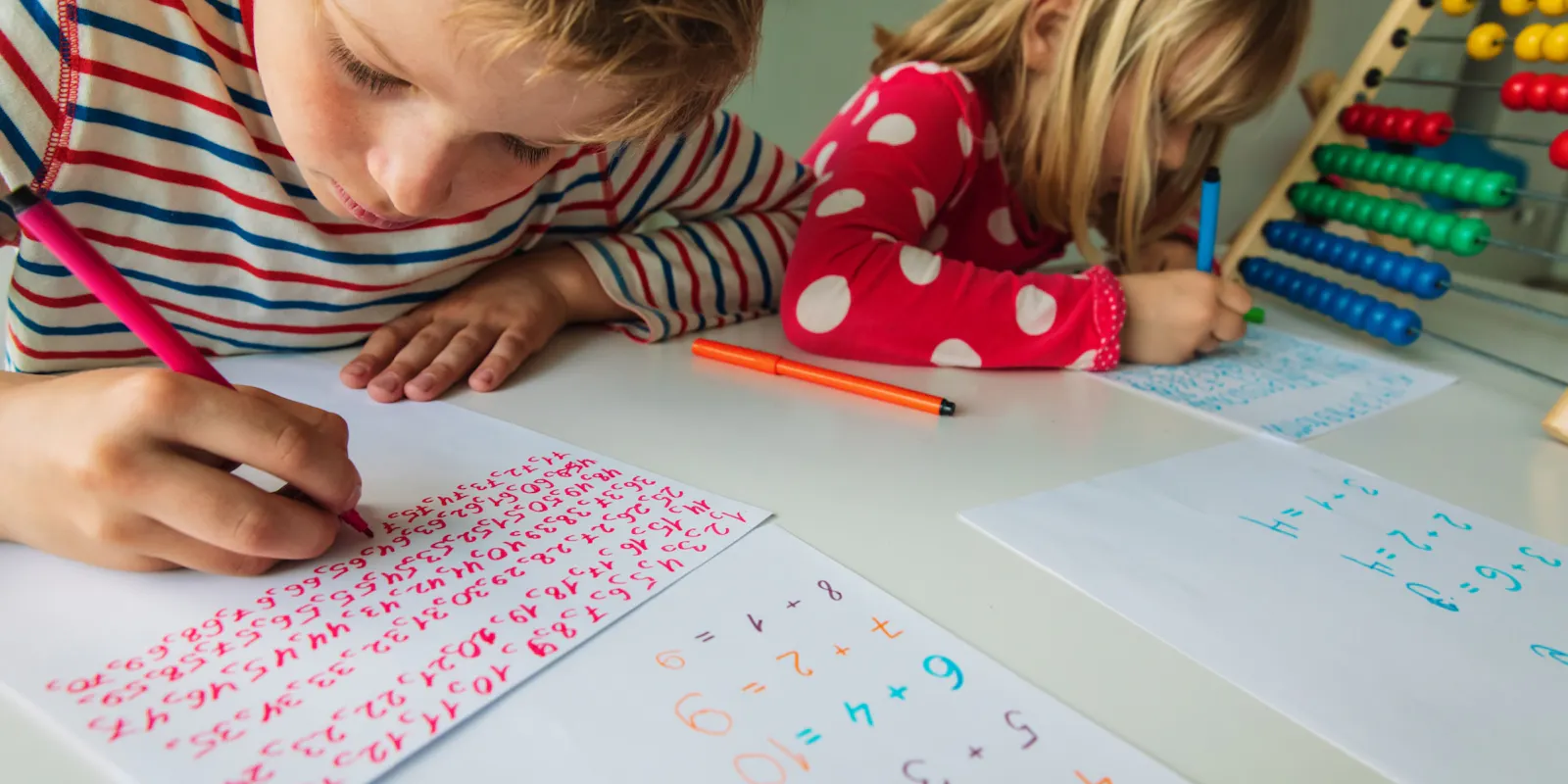
Matthias Eck, a program specialist at UNESCO’s Section of Education for Inclusion and Gender Equality and a co-author of the report, notes that prior data indicated girls were catching up. “But in the latest data, we see that the gap is widening again between girls and boys, and that's at the detriment of girls, which is quite concerning,” he told EdSurge. This decline is not confined to one region; it represents a global phenomenon with far-reaching implications.
Pandemic Disruptions: A Catalyst for Widening Disparities?
The TIMSS data represents the first major international benchmark of student performance following the onset of the COVID-19 pandemic. Researchers hypothesize that pandemic-related school closures may have exacerbated existing inequalities. Eck explains, “One of the hypotheses is really that those disruptions during the pandemic may have exacerbated existing disparities and have reduced learning opportunities for girls.” He adds that extended time away from structured learning environments could have damaged girls’ confidence in math, though he cautions that this remains a hypothesis.
The analysis reveals a strong correlation between longer school closures and greater learning loss in math, with variations across countries and territories. Girls—especially those already at risk of low achievement—appear to have been disproportionately affected. The pandemic may have amplified societal and economic factors that already disadvantaged girls, such as limited access to technology, increased household responsibilities, or cultural biases.
Alarming Signals: Rising Underperformance Among Girls
Beyond the overall gap, the report highlights a particularly worrying trend: the share of regions where fourth-grade girls fail to reach basic math proficiency is growing. In most of these regions, the proportion of struggling girls exceeds that of boys. While the underperformance gap among eighth-graders is marginally shrinking at the global level, the number of countries and territories where girls have a higher failure rate has actually spiked. This suggests that while some systems may be improving overall, the most vulnerable girls are falling further behind.

Among top-performing fourth-graders, 85 percent of countries show results skewed toward boys. For eighth-grade advanced achievers, slightly over half of the countries have a gender gap favoring boys, while none are lopsided toward girls in either grade. This stark imbalance underscores the depth of the challenge.
Echoes in the United States and Beyond
The international findings mirror trends observed within the United States. Last year’s data from the Nation’s Report Card (National Assessment of Educational Progress) similarly revealed a widening math gender gap among both fourth- and eighth-graders, with girls losing ground compared to pre-pandemic levels. The consistency across different assessments reinforces the urgency of addressing the issue.
Researchers are cautious in drawing causal conclusions, but the convergence of evidence points to the pandemic as a significant disruptor. They emphasize the need for targeted interventions to support girls’ math learning—such as rebuilding confidence through mentorship, ensuring equal access to quality instruction, and addressing any lingering effects of school closures.
Looking Ahead: Reclaiming Lost Ground
The TIMSS data serves as a wake-up call. It warns that progress toward gender equity in math is neither automatic nor irreversible. Without deliberate action, the gains of the pre-pandemic decade may continue to erode, leaving a generation of girls at a disadvantage in a world that increasingly demands strong math skills. Education policymakers, school leaders, and communities must collaborate to diagnose the root causes—whether they be pandemic-related disruptions, persistent stereotypes, or resource gaps—and implement evidence-based strategies to close the gap once again.
As Eck notes, the situation is “quite concerning,” but with awareness and focused efforts, it is possible to reverse the slide and ensure that all students, regardless of gender, can thrive in mathematics.