How to Decode Ancient Copper Smelting Signs in Cave Sites
Introduction
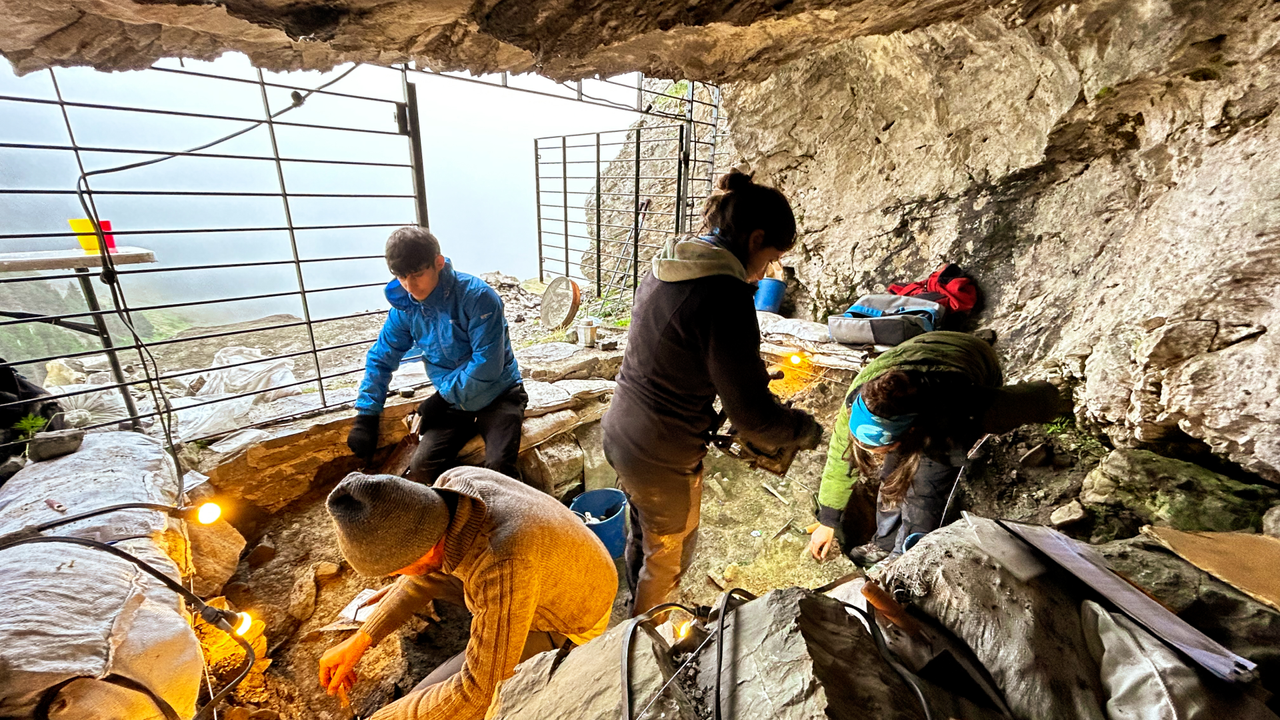
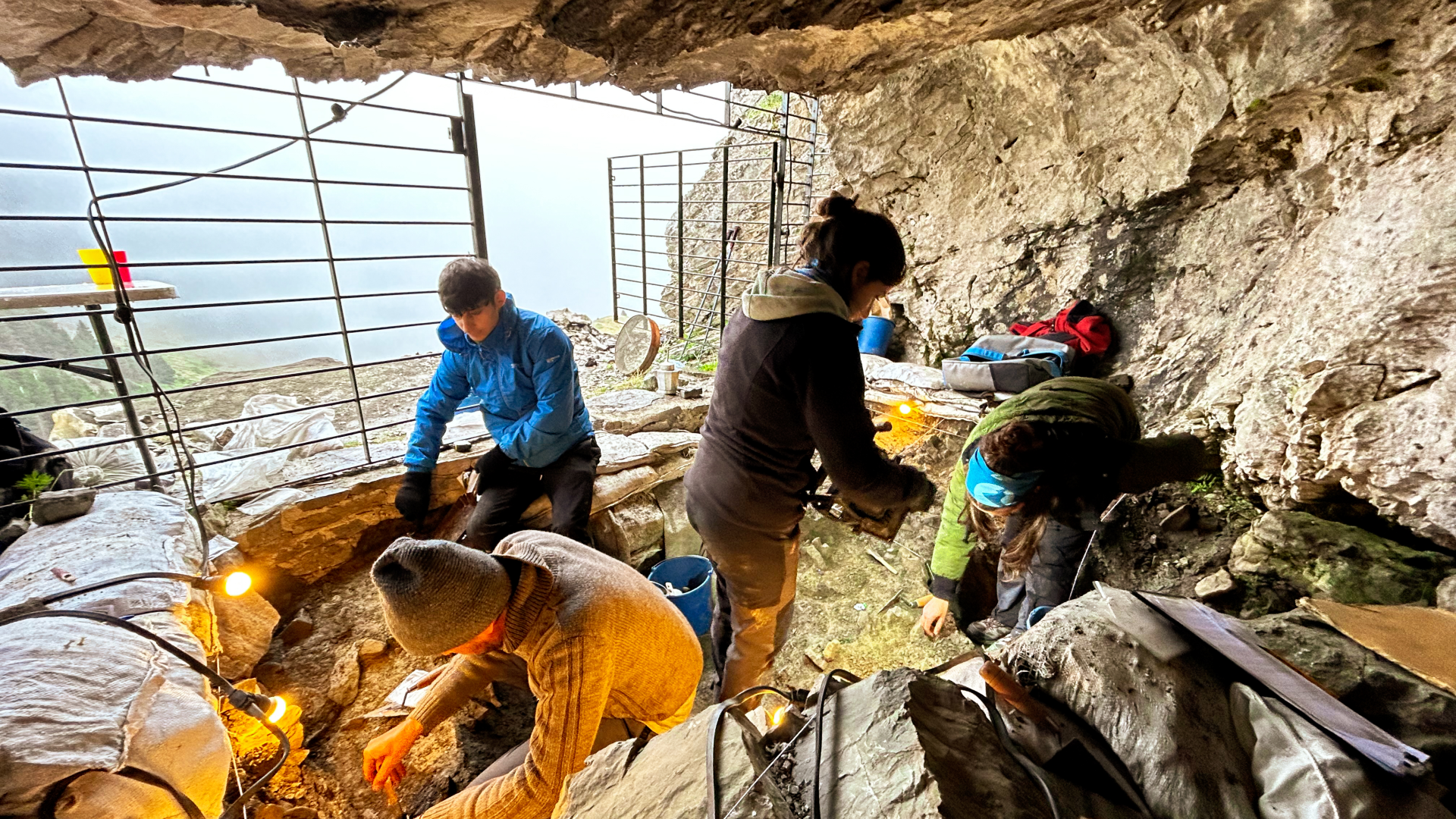
Imagine discovering a cache of bright-green rocks deep inside a cave in the Pyrenees. That’s exactly what archaeologists encountered recently—and those verdant chunks turned out to be a 7,000-year-old clue to prehistoric copper smelting. This how-to guide walks you through the process of identifying and interpreting such evidence, turning enigmatic green minerals into a clear picture of ancient metallurgy. Whether you’re a student, amateur archaeologist, or history enthusiast, you’ll learn the step-by-step method researchers use to connect cave finds to early copper working.
What You Need
- Field gear: sturdy boots, headlamp, gloves, and sample bags for cave exploration
- Basic identification tools: hand lens (10x), streak plate, magnet, and a hardness kit
- Geochemical analysis access: X‑ray fluorescence (XRF) scanner or ability to send samples to a lab
- Radiocarbon dating budget: funding for carbon‑14 tests on associated charcoal or organic material
- Reference materials: geological maps of the region, known copper ore deposit locations, and archaeological background
- Notebook and camera: for recording context, colors, and layering
- Safety equipment: helmet, dust mask (if dry cave), and a buddy for caving
Step‑by‑Step Guide
Step 1: Identify the Green Minerals
Start by visually inspecting any green‑colored rocks in the cave. Bright, grassy green often indicates copper carbonates like malachite or azurite. Use a hand lens to check for botryoidal (grape‑like) or fibrous textures. Perform a streak test: malachite leaves a light green streak on unglazed porcelain; azurite leaves a blue streak. Note the hardness (both are about 3.5–4 on Mohs scale). If the rock effervesces in dilute hydrochloric acid, it’s a carbonate—another copper clue. Document every find with photos and coordinates.
Step 2: Verify Copper Content with Portable XRF
Use a handheld XRF analyzer to confirm the presence of copper and quantify its concentration. The green rocks in the Pyrenees cave showed elevated copper levels, consistent with smelting waste or ore fragments. Non‑destructive XRF gives immediate data. If you don’t have access, collect small samples (with permits) and send to a geochemical lab for ICP‑MS analysis. Record copper percentages—values above 10% are strong indicators of human processing.
Step 3: Date the Archaeological Context
Copper smelting leaves behind charcoal from fires and slag. Look for ash layers, charcoal bits, or burned sediment near the green rocks. Collect these organic remains for radiocarbon dating. In the Pyrenees case, charcoal from the same stratum dated to roughly 7,000 years ago. Use AMS (accelerator mass spectrometry) for small samples. Calibrate dates using IntCal20 to get a calendar age. This step anchors the copper working in time.
Step 4: Compare with Known Geological Background
Examine regional geology. Are there natural copper ore deposits nearby? The Pyrenees have known copper sources, but the cave’s green rocks cannot be explained by natural weathering alone. Map the cave’s location against known ore outcrops. If the nearest natural source is kilometres away, the rocks likely arrived through human activity. Also check for slag fragments—vesicular, glassy byproducts—which indicate smelting, not just ore collection.
Step 5: Analyze Microstructure and Chemical Traces
Use scanning electron microscopy (SEM) on small samples to look for prills (tiny metallic spheres) or dendritic textures that indicate molten metal. Energy‑dispersive X‑ray spectroscopy (EDS) reveals the elemental composition of individual phases. In the Pyrenees study, researchers found copper‑rich droplets trapped in slag—direct evidence of smelting. Also test for impurities like arsenic or tin, which suggest alloying or specific ore sources.
Step 6: Reconstruct the Smelting Process
Combine all data to infer the technology used. The presence of broken furnace linings, tuyeres (clay nozzles for bellows), or crucible fragments further confirms smelting on site. Based on the age and context, you can propose the type of furnace (e.g., simple pit, bowl, or shaft furnace). The Pyrenees evidence points to a low‑temperature, early copper‑smelting technique, with malachite reduced using charcoal in a small clay structure. Document your reconstruction with diagrams.
Step 7: Interpret the Cultural Significance
Finally, place the find in the broader prehistoric timeline. Copper smelting 7,000 years ago pushes back the start of metallurgy in Western Europe. Discuss what this implies about trade networks, social organization, and technological transfer. The cave likely served as a seasonal workshop, not a permanent settlement. Compare with other early sites (e.g., the Balkans, the Middle East) to see if the Pyrenean copper working was an independent invention or diffused from elsewhere. Write your conclusions clearly, backing each claim with evidence from Steps 1–6.
Tips for Success
- Work with a multidisciplinary team: Include geologists, archaeologists, and chemists. Each brings a critical perspective.
- Always get permits: Cave artifacts are protected. Sample only with official permission and ethical supervision.
- Document everything in 3D: Use photogrammetry to create models of the cave floor and rock positions. This helps later analysis.
- Watch for fake clues: Natural copper staining from groundwater can mimic malachite. Confirm with additional tests (e.g., Step 2’s XRF).
- Radiocarbon date multiple samples: A single date can be misleading. Date charcoal from different depths to confirm the timeline.
- Consider diagenesis: Burial can alter mineral chemistry. Use thin‑section petrography to check for alteration.
- Share data openly: Publish your findings in open‑access journals so other researchers can replicate or build on your work.
Following this guide, you’ll transform a handful of mysterious green rocks into a compelling story of prehistoric innovation—just as the Pyrenean cave did for our understanding of early copper smelting.