How Activating Brain Support Cells Could Halt Alzheimer's Progression
Understanding Alzheimer's and Brain Plaques
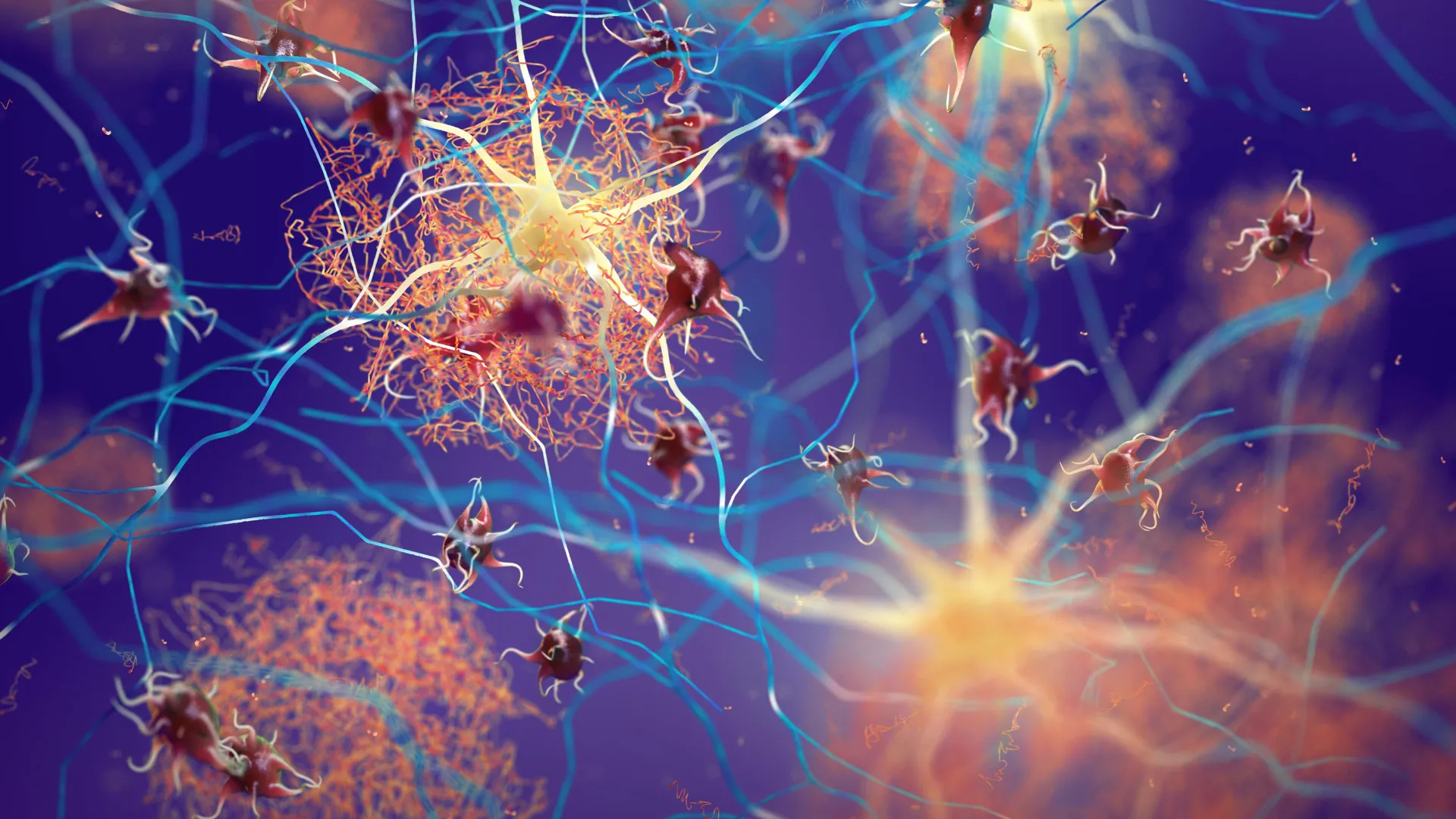
Alzheimer's disease is characterized by the accumulation of toxic protein clumps, known as amyloid-beta plaques, in the brain. These plaques disrupt communication between neurons and trigger inflammation, leading to memory loss and cognitive decline. While much research has focused on clearing these plaques directly, a new approach targets the brain's own support system: astrocytes.
The Role of Astrocytes in Brain Health
Astrocytes are star-shaped glial cells that play a critical role in maintaining the brain's environment. They provide nutrients to neurons, regulate blood flow, and help remove debris. In Alzheimer's, however, astrocytes often become dysfunctional, failing to clear plaques and even contributing to inflammation. Boosting their natural activity could be a key to slowing disease progression.
The Key Protein: Sox9
Scientists have identified a protein called Sox9 as a master regulator of astrocyte function. By increasing Sox9 levels, researchers can enhance the ability of astrocytes to engulf and degrade amyloid-beta plaques. This process, known as phagocytosis, is the brain's own cleanup mechanism. The study, conducted in mice, showed that elevating Sox9 led to a significant reduction in plaque burden.
Mouse Study Findings: Plaque Reduction and Cognitive Preservation
In the experiment, mice with Alzheimer's-like symptoms—including memory problems—were treated to boost Sox9 expression. Over time, these mice showed fewer amyloid plaques compared to untreated controls. More importantly, their cognitive function was preserved, as measured by maze tests and memory tasks. The treated mice performed similarly to healthy animals, suggesting that activating astrocytes can compensate for some of the damage caused by Alzheimer's.
How Sox9 Boosts Astrocyte Activity
The team discovered that Sox9 works by activating a set of genes involved in cell motility and degradation. Astrocytes became more mobile, moving toward plaques more efficiently, and produced more enzymes that break down amyloid. This dual action—increased movement and enhanced degradation—made the cleanup process far more effective.
Implications for Human Therapy
While these results are promising in mice, applying them to humans presents challenges. Sox9 is also involved in other cellular processes, including development and cancer. Simply increasing it throughout the brain could have unintended side effects. Therefore, researchers are exploring ways to target Sox9 specifically in astrocytes, using gene therapy or small molecules that activate the protein only in these support cells.
Next Steps in Research
The next phase will involve testing Sox9-boosting strategies in more advanced animal models, such as rats or non-human primates, to assess safety and efficacy. Clinical trials in humans are likely years away, but this discovery opens a new avenue for Alzheimer's treatment—one that harnesses the brain's own repair mechanisms rather than attacking plaques from the outside.
For more on how astrocytes function in aging, see the section above.
Conclusion: A New Hope in Alzheimer's Research
The finding that boosting Sox9 can help the brain clear Alzheimer's plaques and preserve memory represents a paradigm shift. Instead of trying to remove plaques with drugs, we may be able to empower the brain's own cells to do the job. If successfully translated to humans, this approach could offer a safer, more natural treatment for early-stage Alzheimer's.